
Hydradermabrasion vs Oxygen Facial: A Practice Comparison
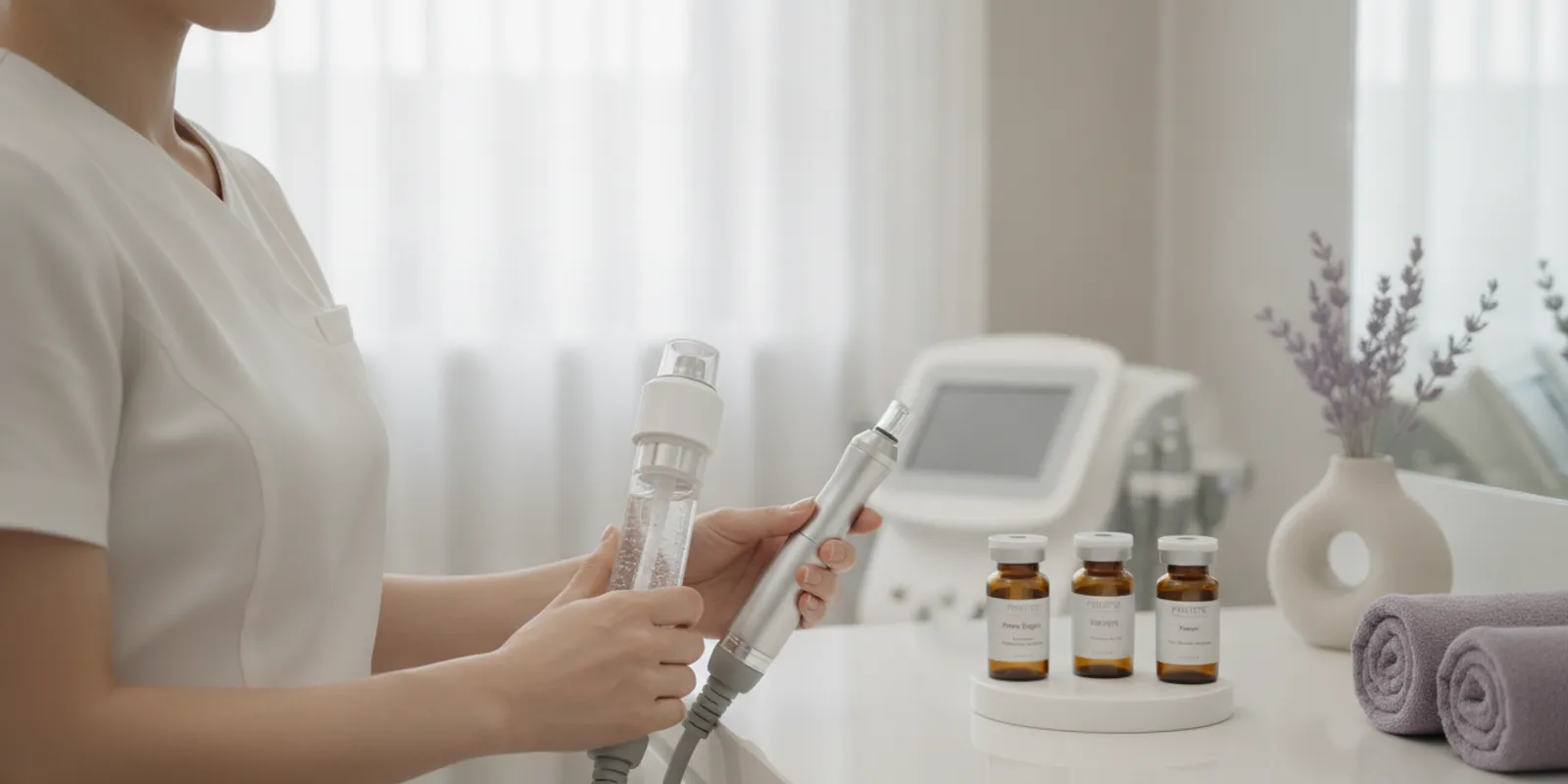
When comparing hydradermabrasion vs oxygen facial services, a practice should look beyond the treatment name and map the equipment, workflow, and service concept behind each option. The terms can describe different approaches, and an oxygen-focused service may be delivered as a standalone offering or as one modality within a broader platform. The right comparison starts with the actual device configuration and the way your team plans to use it.
Talk with Emage Medical about your equipment questions
What is the practical difference between hydradermabrasion and an oxygen facial?
Hydradermabrasion is a device-based facial approach that combines fluid delivery with a handpiece workflow. The name points to the hydradermabrasion modality, but products and protocols may differ. An oxygen facial, by contrast, is a service label that can refer to oxygen infusion or another oxygen-focused step. The label alone does not tell a buyer which device, handpiece, products, or operating steps a provider will use.
That difference matters when you are comparing equipment. A device may support one modality or several. Emage Medical describes the Préime DermaFacial as a five-modality platform with hydradermabrasion, LED phototherapy, microcurrent, ultrasound, and oxygen infusion. This gives a practice more than one service-design option in a single system. It does not mean every practice must use every modality or that all devices marketed for oxygen facials include the same features.
For a useful comparison, separate three questions:
- What modality does the equipment deliver? Confirm the function of each included handpiece and the specific manufacturer-described operation.
- What service will the practice offer? Define whether oxygen infusion is a standalone service, an optional step, or part of a multi-modality appointment.
- What does the team need to operate it? Review setup, training, supplies, device status, and any oversight considerations before writing a service workflow.
Do not assume that two services with similar names use the same technique. Ask for a demonstration and written product information, then compare actual functions rather than relying on labels or general marketing language. Emage Medical's hydradermabrasion overview can help frame the modality questions to take into a product discussion.
How should a practice compare the service concepts?
Start with the experience you want to build for your clients and the role the service should play in your menu. A practice may be looking for a focused facial service, a flexible platform for several appointment concepts, or an additional modality that fits an existing consultation and treatment flow. Those are different business requirements, even if both options include an oxygen-related step.
A standalone oxygen facial concept may be simpler to describe when the practice intends to build around oxygen infusion. A multi-modality system can offer more ways to configure a service, but flexibility is useful only if the practice understands the options and can support them operationally. More functions can also mean more decisions about staff training, appointment design, device setup, and how to explain the service accurately.
List your proposed service elements before you evaluate equipment. For each one, note the modality, handpiece, products or consumables, treatment-room steps, and staff responsible. Ask the supplier to map each feature to the exact equipment included. If a product description lists a modality without explaining how it fits into the workflow, request clarification rather than filling the gap with assumptions.
Keep descriptions factual. Avoid promising a particular result based only on the service name, a device feature, or a product demonstration. A device comparison should establish what equipment does and what the practice needs to operate it. It is not a substitute for appropriate training, professional judgment, or the source materials that govern a specific device and service.
What does a practice need to know about modalities and device status?
Before comparing price or appearance, confirm the system's exact configuration. Ask which modalities are included, which are delivered through separate handpieces, and whether the quoted system includes all the components required for the proposed workflow. Clarify which functions are standard and which are optional. Ask for the model and manufacturer materials so that the comparison is grounded in the equipment you would actually acquire.
For the Préime DermaFacial, Emage Medical describes hydradermabrasion, LED phototherapy, microcurrent, ultrasound, and oxygen infusion in one platform. Emage Medical is the exclusive U.S. distributor of the Préime DermaFacial system. Its stated list price is $39,990. Treat this as a product-specific example, not as a general price range for hydradermabrasion or oxygen facial equipment.
Device status also deserves a clear, product-specific review. For the Préime DermaFacial, two handpieces are registered as Class 2. That status is prescriptive and requires oversight of some degree. It does not mean every practice or professional is automatically excluded from considering the system. A buyer can ask about using the system without those two handpieces or about a pathway involving a medical director. Confirm the current requirements for the practice, jurisdiction, and intended workflow with appropriate sources before making a purchase or writing a protocol.
For general background on U.S. medical-device regulation and device information, consult the U.S. Food and Drug Administration. A homepage is a starting point, not a device-specific determination. Review the relevant product documentation and seek qualified regulatory guidance for questions about a particular device, handpiece, or use.
How do workflow and staff training compare?
Workflow affects whether a service is practical in the rooms and schedule you already have. Compare the full appointment path, not just the minutes spent using a handpiece. Include room preparation, device setup, client communication, treatment steps, cleaning or reset tasks according to the manufacturer's instructions, and documentation. Ask the supplier to demonstrate the setup and transition between modalities using the actual configuration under consideration.
A single-modality service may have a more focused sequence, while a multi-modality platform may require the team to decide which components belong in each service. Neither approach is automatically easier. A flexible system can support more service-design choices; it also asks the practice to create clear protocols so staff know which configuration to use and how to describe it.
Use a workflow worksheet during a demonstration:
- Before the appointment: What room, device, handpiece, and supplies must be ready?
- At consultation: What will staff explain about the service, device functions, and any limitations?
- During the service: What is the sequence of steps, who performs them, and which parts require specific instruction or oversight?
- After the service: What reset, cleaning, storage, or documentation steps does the manufacturer specify?
- Between modalities: How does the operator change the setup, and what training is needed to do so consistently?
Request hands-on instruction for the functions the practice expects to use. Confirm who can attend, what training covers, whether the supplier provides follow-up support, and where the team can find the current instructions. Do not assume that a short product overview covers every modality or resolves professional-scope questions. Emage Medical's marketing and support information is one place to review the support topics the company describes, then verify the details that apply to the specific device and purchase.
What should buyers compare about consumables and ongoing operations?
Consumables can affect daily operations and the long-term cost of a service. Ask the supplier to identify every item used in the proposed workflow, including any single-use components, solutions, accessories, or products that must be replenished. Confirm the approved product names, ordering process, storage instructions, and whether the device can be operated as intended without a particular supply item. Do not assume that all hydradermabrasion or oxygen systems use the same supplies.
Build a comparison from verified product information. If a supplier cannot yet confirm an item or recurring cost, mark it as unknown rather than inserting an estimate. The practice can then ask for written clarification before finalizing its service plan. Include staff time and room turnover in the operational review, but do not turn an estimated workflow into a revenue or return-on-investment claim without documented, practice-specific inputs.
| Decision area | Hydradermabrasion-focused service | Oxygen-focused or multi-modality service | What to verify |
|---|---|---|---|
| Core concept | A service organized around hydradermabrasion equipment and steps | May focus on oxygen infusion or include it within a broader platform | Exact functions and service sequence |
| Device configuration | Confirm the handpiece and components included | Confirm whether oxygen infusion is standalone or one of several modalities | Model, accessories, and included functions in writing |
| Workflow | Map preparation, operation, and room reset | Map each selected modality and transitions between them | Demonstration using the intended setup |
| Supplies | List required and optional supplies for the planned service | List supplies by modality and verify any product dependencies | Product names, availability, instructions, and recurring costs |
| Training and oversight | Confirm operator training and device-specific requirements | Confirm training and any handpiece-specific oversight considerations | Current manufacturer documentation and applicable requirements |
| Cost planning | Compare purchase price with the complete operating plan | Compare the platform price with the modalities the practice will use | Written quote and known ongoing costs; label unknowns clearly |
This table is a planning framework, not a claim that all devices in either category share the same design. Use model-specific information to complete each cell. To learn how Emage Medical presents its broader range of aesthetic equipment, see Emage Medical's technologies and Préime skincare collections.
Which questions help a buyer make a fair comparison?
Take the same questions to every product demonstration so each supplier is addressing the same needs. Ask for written answers where the response could affect the proposed service or purchase. A consistent checklist makes it easier to distinguish documented features from assumptions.
- What exact device model and configuration are included in the quote?
- Which modalities and handpieces are included, and what does each one do according to its documentation?
- Which supplies are required for the workflow we intend to offer, and what recurring items should we budget for?
- What does setup, use, switching between modalities, and room reset involve?
- What initial and follow-up training is available, and what topics are covered?
- Are there handpiece-specific device-status, professional-scope, or oversight questions the practice should resolve?
- What manufacturer instructions, technical support, warranty, and service information come with the proposed system?
- Which statements about the service can our team support with approved product information, and which questions need further review?
Also decide how success will be evaluated operationally. A practice might track whether staff can follow the agreed steps, whether supplies are available when needed, whether the device fits room turnover, and whether clients understand the service description. These are practice-management observations, not a promise of a clinical outcome. Keep service communication aligned with the evidence and approved materials available for the specific device and products.
How can a practice decide which option fits?
Use a short decision sequence. First, define the service concept: a focused hydradermabrasion offering, an oxygen-centered service, or a broader menu with several modalities. Second, translate that concept into specific functions and a room workflow. Third, confirm training, supplies, system configuration, and any device-specific oversight questions. Finally, compare complete written quotes and list every unresolved cost or operational detail.
A focused option may suit a practice that wants to build around one clearly defined service and a simpler equipment brief. A multi-modality platform may be worth evaluating when the practice values the ability to select among several functions and is prepared to train staff and define how each configuration will be used. These are planning considerations, not universal recommendations. Staffing, existing services, available rooms, professional requirements, and buyer priorities differ from one practice to another.
For each option, make a one-page decision sheet with four columns: confirmed features, workflow implications, ongoing requirements, and open questions. Do not score an unknown as if it were a confirmed advantage or disadvantage. Ask for the missing information, then revisit the comparison. This simple step helps keep a polished demonstration from obscuring practical details such as handpiece configuration, supply needs, or training scope.
Before purchase, review the proposed service language and operating plan with the people responsible for clinical oversight, compliance, and daily operations. Confirm that the chosen workflow matches current product documentation and applicable requirements. If the practice is considering a system with multiple handpieces, address the status and oversight of each relevant component rather than treating the device as one undifferentiated unit.
Discuss your practice's device comparison with Emage Medical
Frequently asked questions
Is an oxygen facial the same as hydradermabrasion?
No. The terms refer to different service concepts, and products using either label can vary. Check the actual modality, equipment, and workflow rather than assuming the names describe interchangeable treatments.
Can a system combine hydradermabrasion and oxygen infusion?
Some platforms include multiple modalities. Emage Medical describes the Préime DermaFacial as including both hydradermabrasion and oxygen infusion, along with LED phototherapy, microcurrent, and ultrasound. Confirm the exact model configuration and intended workflow with current product materials.
Does Class 2 registration automatically rule out a day spa or esthetician?
No blanket conclusion should be drawn from that label alone. For the Préime DermaFacial, two handpieces are registered as Class 2, and that status is prescriptive and requires oversight of some degree. Ask about options that do not use those handpieces or a pathway involving a medical director, and verify requirements for the practice and intended use.
What should a practice ask about before choosing equipment?
Confirm the device configuration, modalities, supplies, workflow, training, support, written price, and any oversight considerations. A hands-on demonstration and product-specific documentation can help the team answer those questions.
Compare the equipment and service plan you can verify, then choose the option that fits your practice's documented needs and operating capacity.