
RF Microneedling vs Radiofrequency Facial
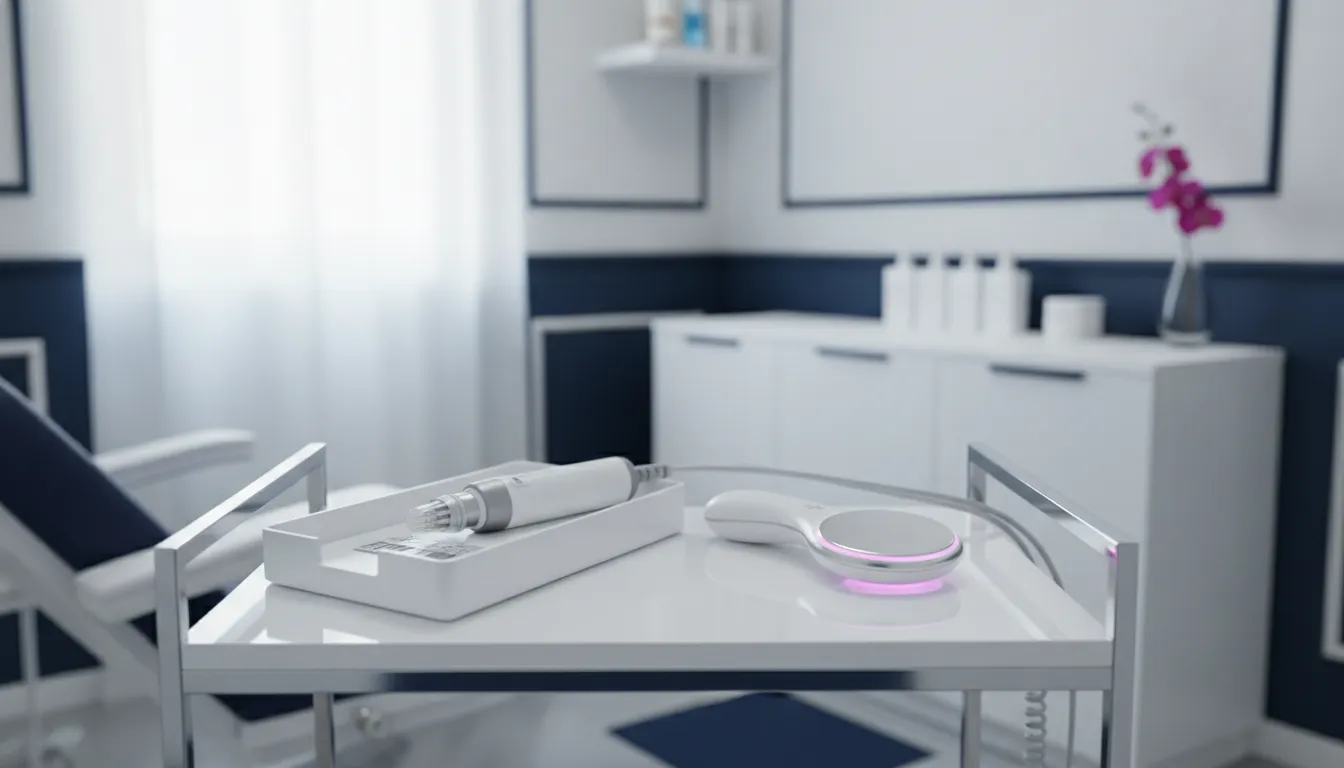
Choosing an RF platform is a planning decision, not a choice between two names for the same treatment. How energy reaches the skin changes training, patient screening, and the way the visit fits your schedule.
RF microneedling vs radiofrequency facial comes down first to delivery. RF microneedling uses an array of microneedles to deliver RF energy at selected depths. A surface radiofrequency facial uses an applicator that stays on the skin and does not use a needle array. Neither modality is universally better. The right fit depends on your provider's scope, device labeling, training, patient selection process, and practice workflow.
It also changes what you should check before you buy. Look at the controls, the applicator, the cartridges, and the paperwork your team will use. Start with how each option delivers energy. If you want a person to walk through the difference, contact Emage Medical.
Call (704) 412-3152 to compare RF options for your practice
How RF Microneedling and a Radiofrequency Facial Deliver Energy Differently
The main difference is where the energy goes. RF microneedling uses small electrodes, called microneedles, that enter the skin. The device sends radiofrequency energy to the tips of those needles. Each tip creates a small area of heat in the tissue. The FDA safety communication on RF microneedling describes this needle delivery. It also says RF microneedling is a medical procedure. Providers should review the risks and the training for the device they use.
A radiofrequency facial works differently. The applicator stays on the skin. It does not use a needle array. It sends RF energy from the surface, following that device's own instructions. The gap is not the word facial versus the word microneedling. One sends energy through needles that enter the skin. The other sends it from an applicator on the surface.
Depth, temperature, and the pattern of passes differ by device. Read them in the current labeling and the instructions for use. Do not take them from a general comparison. The same is true for patient selection, settings, and who may perform the service. Read the labeling, the training requirements, and the intended use before you decide where the device fits.
For a closer look at the needle-based mechanism in a professional setting, read how RF microneedling works in practice.
What to Compare Before You Choose a Modality
For a buyer, the useful question is not which name sounds more advanced. Start with how each device is used, who on your team may perform it, and how it fits the visits you already offer.
The two options send energy in different ways. That changes training, supplies, and the documents you should read before you pick a platform.
Operational questions for comparing RF microneedling and a radiofrequency facial
| Planning question | RF microneedling | Radiofrequency facial |
|---|---|---|
| How does energy reach tissue? | RF energy is delivered through microneedles at selected depths within the skin. | RF energy is delivered from a surface applicator that stays on the skin. Depth, temperature, and passes depend on the device labeling. |
| Do needles enter the skin? | Yes. The needle array enters the skin as part of the procedure. | No. The applicator uses a surface pass and does not use a needle array. |
| What is the typical visit character? | A procedure involving a needle cartridge and practice protocols that may include numbing, as appropriate to the device and provider. | A surface pass with an applicator, following the device instructions and the practice's established workflow. |
| What training and scope questions apply? | Confirm who may perform the procedure, what supervision is required, and whether the team's training covers needle depth and RF use. | Confirm who may operate the device, required supervision, and training for the specific surface applicator and settings. |
| What is the consumable pattern? | Needle cartridges are part of the operating model, so review cartridge types, replacement needs, and handling requirements. | Surface tips or an approved coupling gel may be part of the workflow, depending on the platform and its instructions. |
| What should you read before buying? | Review the device labeling, indications, operating instructions, and any requirements that define who may use it and how. | Review the device labeling, indications, operating instructions, and requirements for the surface applicator and intended use. |
Neither column wins for every practice. The better fit depends on the concern, your providers' scope, the training you can support, and the workflow you want. Let the device labeling guide the comparison. Do not borrow assumptions from another platform.
Before you move ahead, ask the manufacturer for the current labeling. Then map the supplies and the visit steps to your own team. Emage Medical's product tour request can be a practical next step for reviewing a device against those operational questions.
Workflow, Training, and Patient Selection
The practical difference starts before anyone turns the device on. RF microneedling is a medical procedure. It needs a needle cartridge, skin prep, and a workflow built around needles that enter the skin. It usually takes more chair time than a surface facial. The exact length depends on the device, the protocol, and the practice. A radiofrequency facial uses a surface applicator and no needle array. It may fit more easily into a facial menu you already run.
Training and rules follow from that gap. Who may perform either service depends on state scope of practice, the device labeling, and your own policies. Confirm those rules before you market or book the service. The FDA calls RF microneedling a medical procedure, not a home cosmetic treatment. It also tells providers to discuss benefits and risks with patients. The intended use for a specific device should come from its current labeling, not from a general description of the technology.
Patient selection should be a set of questions, not a promise about results. Before choosing a modality or setting a protocol, a provider can ask:
- What concern or treatment goal is the patient bringing to the consultation?
- Have they had prior procedures, devices, injectables, or other treatments that could affect planning?
- What level of recovery time or visible aftercare can they reasonably accept?
- Who will be in the treatment room, and does that match the practice's scope, staffing, and supervision requirements?
These questions help you match the service to your room, your team, and your charting. They do not assume one option is always better. If you are comparing RF microneedling with needle-only microneedling, keep that as a separate question. See this different comparison from needle-only microneedling.
Equipment Questions for a Practice Adding Either Service
Before you compare devices, confirm the current labeling and the intended use for each model. The FDA keeps device-specific indications in its 510(k) database. That general record is not a product claim for one machine. Ask the manufacturer for the current labeling. Then check whether it fits your scope of practice, your training plan, and the services you want to offer.
Ask how the energy is delivered. Is the handpiece made for needle RF, surface RF, or both? RF microneedling sends energy through needles at selected depths. A radiofrequency facial generally uses an applicator that stays on the skin. Depth, temperature, and the number of passes depend on the device. Do not copy settings from one modality to the other. The FDA's safety communication also emphasizes that RF microneedling is a medical procedure and that providers should discuss benefits and risks.
Then ask practical equipment questions:
- Which cartridges or surface tips are available, and what does each one do?
- What depth, energy, or other controls can the provider adjust?
- What training is included, who delivers it, and what support is available afterward?
- What workflow, maintenance, and consumable requirements should the practice plan for?
For example, Cyto-RF professional RF microneedling machine is presented by Emage as combining microneedling with fractional non-ablative bipolar RF. Its live page lists 1 MHz and up to 50W. Needle depth runs from 0.25mm to 3.5mm. Cartridge options are 25 Pin, 49 Pin, and 49 RF gold-plated needles. The console has a 15-inch touchscreen. The provider starts treatment with a foot pedal or a handle trigger. The page does not state an FDA clearance or an outcome. Ask Emage for current device labeling before comparing intended use. The published MSRP is $29,990. Rental is listed at $1,500 per month. Confirm the current sale or rental terms, and current availability, with Emage.
If the practice is still defining staffing, workflow, or patient communication, review this guide about adding RF microneedling to a medspa. The right equipment comparison is not simply a contest between features. It should connect the device's documented use and controls with the people, training, and service model your practice can support.
How to Explain the Difference in a Consultation
Patients often hear both names and assume they are two versions of the same facial. A short, plain explanation prevents that mix-up before anyone talks about price or a package.
Start with delivery. Say that RF microneedling places a needle cartridge on the skin and sends radiofrequency energy through those needles. Then say that a radiofrequency facial keeps the applicator on the surface and does not use a needle array. Stop there. Depth, heat, and the number of passes belong in the device instructions, not in a general script.
Next, separate the visit from the result. Tell the patient who will be in the room. Explain what prep the visit needs. Say that recovery depends on the device and the protocol. Do not promise tighter skin, fewer lines, or a set number of sessions. The FDA has reported serious complications with certain uses of RF microneedling. Those reports include burns, scarring, fat loss, disfigurement, and nerve damage. That is a reason to review risks, not a reason to scare every patient away from a labeled procedure.
Use the same restraint in marketing. A menu can name both services. It should not say one is safer, stronger, or better for jowls, the neck, or any other area. If a patient asks which is better, keep the answer narrow. The fit depends on the concern, the provider's scope, and the labeling for the device you own.
Write the explanation down. A one-page script keeps the front desk, the provider, and the website on the same message. If the team also offers needle-only microneedling, point patients to that separate comparison instead of folding it into this one.
Frequently Asked Questions
How does RF microneedling differ from a radiofrequency facial?
RF microneedling uses an array of microneedles to deliver radiofrequency energy at selected depths within and under the skin. A surface radiofrequency facial uses an applicator that stays on the skin and does not use a needle array. Exact depth, temperature, and treatment passes depend on the device and its labeling.
Is RF microneedling the same as a radiofrequency facial?
No. Both use radiofrequency energy to create heat in tissue, but they deliver it differently. RF microneedling is a needle-delivered procedure, while a surface facial uses an external applicator. That difference affects the device requirements, provider workflow, training, and labeling a practice must review.
Which is better, RF microneedling or a radiofrequency facial?
Neither is universally better. The appropriate fit depends on the practice's patient needs, provider scope, device labeling, training, treatment workflow, and risk-management process. Compare the intended use and operating requirements rather than choosing based on a broad promise about results, comfort, or downtime.
What should a practice verify before buying either device?
Verify the current labeling and intended use. Check who may operate the device in your state, what training is required, and which needle or applicator options you will stock. Also review the controls, supplies, service support, and how the visit fits your schedule. Ask the manufacturer to confirm current pricing, availability, and sale or rental terms in writing. For RF microneedling, also review the FDA's safety communication and discuss benefits and risks before offering the procedure.
Review Both Modalities Against Your Practice
RF microneedling and a radiofrequency facial can both belong in a professional menu, but they are not interchangeable. One delivers RF through needles that enter the skin. The other keeps the applicator on the surface. The useful next step is to match that difference to your providers, your labeling, and the visits you want to offer.
Bring your comparison questions to a product tour. Emage can walk through the handpiece and the cartridge options. You can also review the current equipment documents before you place the service on the schedule.
Request a product tour or call 704-412-3152.