
PRP Facial 101: A Guide for Aesthetic Pros
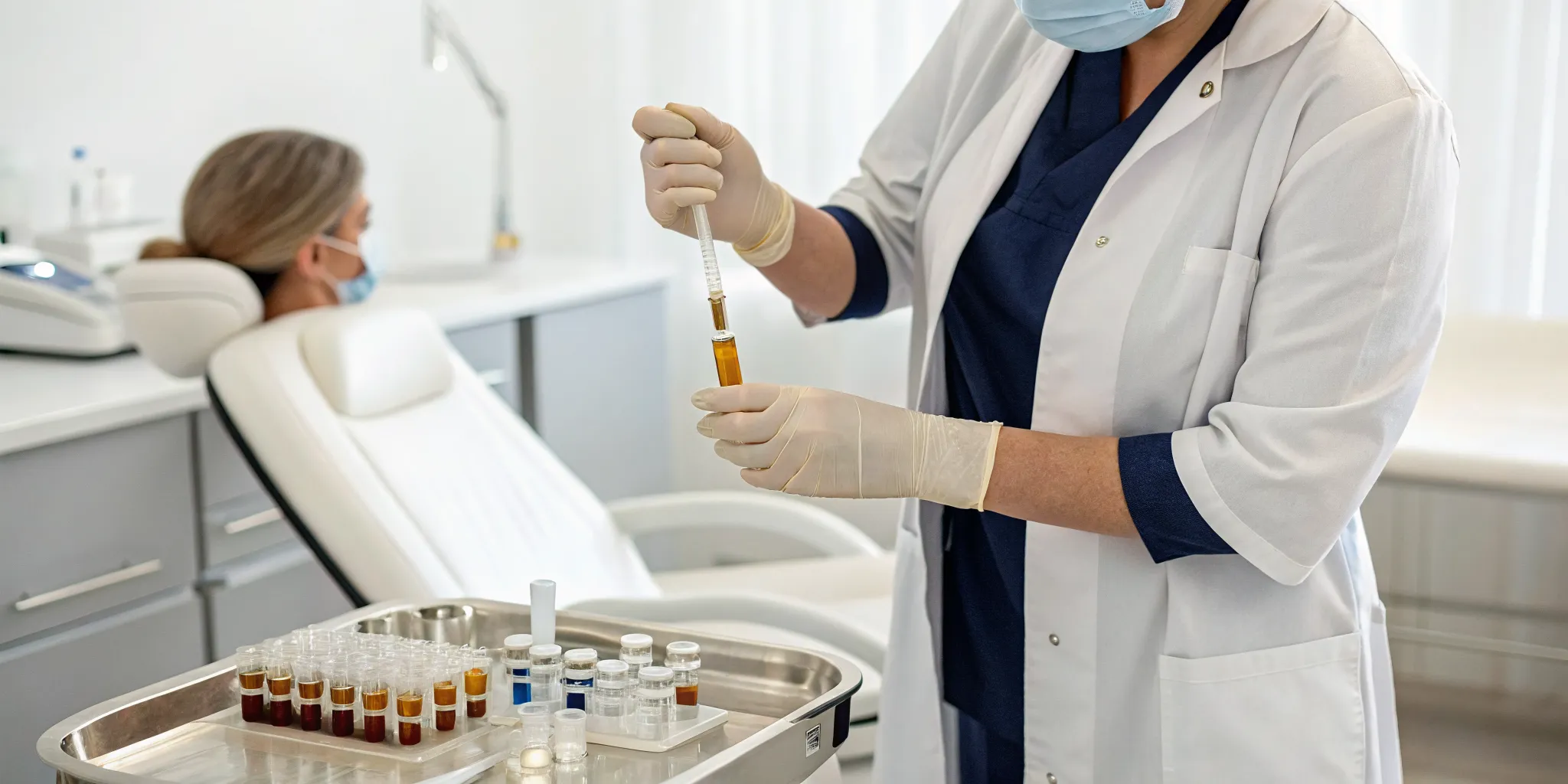
Your clients come to you with questions they’ve gathered from social media and magazines. They’ve heard about the ‘vampire facial’ and want to know if a PRP facial is the same thing. Being the trusted expert means having clear, confident answers. This procedure, which uses a patient’s own concentrated plasma to rejuvenate the skin, is surrounded by both hype and misinformation. This guide will give you the essential facts, from the step-by-step process to the clinical data. You’ll walk away prepared to educate your patients, set realistic expectations, and perform this treatment with confidence.
Key Takeaways
- Build client trust with a natural solution: A PRP facial uses the patient’s own plasma to stimulate collagen and rejuvenate the skin. This autologous approach is a major draw for clients who are cautious about synthetic ingredients, making it an easy service to promote.
- Identify the right candidates for better outcomes: The best results are seen in clients with concerns like fine lines, sun damage, and acne scars. It’s essential to conduct a thorough health screening to rule out contraindications, which ensures patient safety and satisfaction.
- Maximize results and revenue with combination therapy: Pairing PRP with microneedling significantly improves its effectiveness. Structuring these services into a series of treatments not only delivers superior, lasting results but also creates predictable income and encourages client loyalty.
What Is a PRP Facial?
As an aesthetic professional, you’re always looking for effective treatments that deliver the results your clients want. The platelet-rich plasma (PRP) facial is one of the most talked-about procedures for a reason. It’s an advanced cosmetic treatment that uses the patient’s own blood to naturally rejuvenate their skin. By harnessing the body’s healing capabilities, this procedure helps stimulate collagen production, smooth fine lines, and improve overall skin texture and tone. It has become a go-to for clients seeking significant, non-surgical enhancements and a more youthful appearance.
The Science of Platelet-Rich Plasma
So, how does it actually work? The magic is in the patient’s own blood. PRP is created by drawing a small amount of the patient’s blood and processing it in a centrifuge to separate and concentrate the platelets. These platelets are powerhouses of rejuvenation, containing essential growth factors that signal tissues to regenerate and repair themselves. When this concentrated plasma is applied to the skin, it triggers a natural healing cascade. This process stimulates new collagen and elastin production, which are the key building blocks for firm, smooth, and healthy-looking skin. It’s a beautiful example of using the body’s own systems to create visible aesthetic improvements.
PRP Facial vs. Vampire Facial: What’s the Difference?
You’ve likely heard clients use the terms “PRP facial” and “vampire facial” interchangeably, and it’s a common point of confusion. While they are very similar, there can be a subtle difference in technique. A PRP facial typically involves performing microneedling first to create micro-injuries in the skin, then topically applying the PRP so it can penetrate deeply through the new channels. In contrast, the term vampire facial sometimes refers to a procedure where PRP is injected directly into specific areas of concern, much like a dermal filler. Understanding this distinction will help you educate your clients and set clear expectations about the procedure you offer.
What the Clinical Research Shows
Your clients want results, and the data behind PRP facials is compelling. Clinical studies show that these treatments can lead to significant improvements in skin appearance. For instance, one major review found that a high percentage of participants reported moderate to excellent improvements in their skin’s appearance at both three and six months after treatment. The most notable results were seen in the reduction of dark circles and wrinkles, particularly around the eyes. This evidence gives you a solid foundation for discussing the potential outcomes with your patients and helping them feel confident in their decision to move forward with the treatment.
The PRP Facial Procedure, Step by Step
Walking a patient through a new treatment can feel complex, but the PRP facial follows a clear and logical sequence. From the initial blood draw to the final application, each step is designed to maximize the regenerative power of your client’s own platelets. Understanding this process inside and out not only ensures a safe and effective treatment but also helps you confidently set patient expectations. For your practice, combining this powerful biologic with a best-in-class device is the key to delivering consistently impressive results. Let’s break down exactly what the procedure entails.
Step 1: Draw and Process the Blood
Your first step is to perform a simple blood draw, typically from the patient’s arm. You will only need a small amount, usually between two and four tablespoons. This sample is then placed into a centrifuge, a specialized machine that spins the blood at a high velocity. This spinning action separates the platelet-rich plasma from the other components of the blood, like red blood cells. The resulting golden, platelet-concentrated serum is what you will use for the facial treatment. This quick and efficient process isolates the powerful growth factors needed for skin rejuvenation.
Step 2: Prepare and Numb the Skin
While the blood is processing in the centrifuge, you can begin preparing the patient’s skin. Start by thoroughly cleansing the face to remove any makeup, oil, or impurities. After cleansing, you will apply a topical numbing cream over the entire treatment area. This cream typically needs to sit for about an hour to ensure the patient is comfortable throughout the microneedling portion of the procedure. This is a great time to answer any last-minute questions your client may have and make sure they feel relaxed and ready for the treatment.
Step 3: Apply PRP with Microneedling
Once the skin is numb and the PRP is ready, the main part of the treatment begins. You will apply the prepared platelet-rich plasma across the patient’s face. Then, using a professional microneedling device like the CytoPen®, you will pass over the skin, creating thousands of controlled micro-injuries. These tiny channels allow the PRP to penetrate deep into the dermis, where it can work most effectively. This combination is powerful because the microneedling itself stimulates collagen production, while the PRP provides a flood of growth factors to amplify the body’s natural healing and regeneration process.
What to Expect Immediately After Treatment
It’s crucial to prepare your patients for the immediate after-effects so they know what is normal. Most people will experience redness and feel a sensation similar to a mild sunburn for the first one to three days. You should also inform them that minor swelling, some tightness, or even light bruising are common and temporary reactions. According to the American Academy of Dermatology, these effects typically resolve on their own within a few days. Providing clear post-care instructions will ensure your client has a smooth and comfortable recovery.
Key Benefits of a PRP Facial
When patients seek real, visible improvements without synthetic fillers or harsh chemicals, the PRP facial is a compelling service to offer. This treatment stands out because it uses the body’s own regenerative power to address some of the most common signs of aging and skin damage. For your practice, it represents a sophisticated, science-backed procedure that meets the growing demand for natural aesthetic solutions. By adding PRP facials to your menu, you can help clients achieve smoother, firmer, and more youthful-looking skin from the inside out.
Harness the Body’s Natural Rejuvenation
The core appeal of a PRP facial is its autologous nature, meaning it uses a substance derived directly from the patient’s own body. The process involves drawing a small amount of blood and spinning it in a centrifuge to isolate the platelet-rich plasma. This golden liquid is packed with growth factors that act as messengers, signaling skin cells to regenerate. As the American Academy of Dermatology explains, this concentrated plasma is then reintroduced into the skin, which starts a natural healing and rejuvenation process. This makes it an excellent option for clients who are hesitant about foreign substances and prefer a more holistic approach to anti-aging.
Stimulate Collagen for Firmer, Smoother Skin
One of the most significant outcomes of a PRP facial is the stimulation of new collagen production. When PRP is delivered into the dermis, typically via microneedling, the growth factors get to work encouraging the formation of new collagen and elastin fibers. This process effectively rebuilds the skin’s structural matrix from within. While patients may notice an initial glow and improved skin texture within the first month, the real magic happens over time. The full effects of new collagen development, such as firmer skin and reduced laxity, generally become most apparent around the three-month mark as the skin completes its regenerative cycle.
Target Fine Lines, Wrinkles, and Acne Scars
A PRP facial is a versatile treatment that can address a wide range of textural and age-related concerns. It’s particularly effective for softening the appearance of fine lines, smoothing out rough skin texture, and diminishing the visibility of acne scars. Clinical research has shown that PRP injections are a gentle yet promising method for facial rejuvenation. One study highlighted its success in improving nasolabial folds, wrinkles around the eyes, and even dark under-eye circles, which are notoriously difficult to treat. This makes it a powerful tool for creating comprehensive treatment plans that deliver noticeable, confidence-inspiring results for your patients.
How Long Do the Results Last?
Setting realistic expectations is key to patient satisfaction, and the longevity of PRP results is an impressive selling point. While outcomes vary, the effects of a PRP facial series can last for up to 18 months. To achieve these durable results, it’s important to communicate that a single session is just the beginning. Most providers find that a series of three or more treatments, spaced about a month apart, is necessary to build a strong collagen foundation and achieve optimal rejuvenation. This multi-session approach not only delivers superior outcomes but also encourages patient retention and builds a long-term relationship with your practice.
Identifying the Ideal Candidate for a PRP Facial
A key part of running a successful aesthetic practice is mastering the consultation. When you can accurately identify who will benefit most from a treatment, you set the stage for incredible results and happy, loyal clients. The PRP facial is a fantastic service to offer, but it’s not the right fit for everyone. Understanding the ideal candidate profile, including which skin conditions respond best and which health factors are contraindications, is essential for safety and efficacy. This ensures you’re not just performing a procedure, but truly providing a solution that meets your client’s goals.
Skin Types and Conditions That Respond Best
The great news is that PRP facials are suitable for a wide range of clients. Because the treatment uses the patient’s own plasma, it’s generally considered safe for most skin types and tones. The ideal candidate is someone looking to address the early signs of aging or improve their overall skin texture and quality. This includes clients concerned with fine lines and wrinkles, sun damage, uneven skin tone, or mild skin laxity. It’s also an excellent option for reducing the appearance of acne scars. By stimulating new collagen and elastin, the PRP facial helps create firmer, smoother, and more radiant skin from within. It’s a powerful tool, especially when combined with a professional microneedling device.
When to Advise Against a PRP Facial
Knowing when to say “no” is just as important as knowing who to treat. A thorough health screening during the consultation is non-negotiable. According to the American Academy of Dermatology, you should advise against a PRP facial for any client with a history of certain medical conditions. These include blood-borne diseases like Hepatitis C or HIV, any type of blood cancer, or skin cancer in the treatment area. These issues can directly affect platelet quality and compromise the treatment’s safety and effectiveness. Additionally, clients with cardiovascular disease who take blood-thinning medication are not suitable candidates, as this can interfere with the clotting properties of platelets.
The Importance of a Qualified Provider
A PRP facial is a medical procedure, and it’s critical that clients understand this distinction. The treatment involves drawing blood, processing it in a centrifuge, and reintroducing it into the skin, which requires a sterile environment and clinical expertise. Only licensed and trained medical professionals, such as dermatologists, plastic surgeons, or certified nurses operating under medical supervision, should perform this procedure. Choosing a qualified provider minimizes risks like infection and ensures the treatment is performed correctly for optimal results. As a practice, emphasizing your credentials and the comprehensive training your team receives builds trust and sets you apart as a safe, reputable choice for patients.
PRP Facial Risks and Aftercare
Because a PRP facial uses the patient’s own biological material, it’s an incredibly safe procedure with a very low risk of allergic reaction or serious side effects. The main considerations involve the temporary effects of the microneedling process and the aftercare required to protect the skin as it heals. Setting clear expectations with your clients about what the recovery process looks like is a critical part of ensuring they have a positive experience and love their results.
When you perform the treatment with a high-quality, sterile device like the CytoPen® microneedling pen, the risks are minimal. Your role is to guide the patient through the healing phase with clear, simple instructions that ensure they get the best possible outcome from their treatment.
Common, Temporary Side Effects
It’s important to let your clients know that some minor, temporary side effects are a normal part of the healing process. Most people experience redness and a sensation like a mild sunburn for one to three days following the procedure. According to the American Academy of Dermatology, it’s also common to have some minor swelling, bruising, or a feeling of tightness in the skin. These effects are typically mild and resolve on their own within a few days, though some bruising may last up to a week. Reassuring your patients that this is an expected and temporary response will help them feel comfortable and confident as their skin begins to rejuvenate.
Aftercare Tips for a Smooth Recovery
Providing clear aftercare instructions is essential for a smooth recovery and fantastic results. Advise your patients to treat their skin gently for the first three days post-treatment. This means no makeup, avoiding touching the treated areas, and skipping strenuous exercise, swimming, saunas, or hot tubs. For cleansing, they should use only a gentle product. After that initial period, they can typically resume their normal skincare routine. Emphasize the importance of sun protection. While the skin is healing, it is more susceptible to sun damage, so a broad-spectrum sunscreen is crucial for protecting their investment and their results. These simple steps will help ensure a complication-free recovery.
Breaking Down the Cost of a PRP Facial
Setting the right price for a PRP facial is crucial for making it a profitable and popular service in your practice. Clients often ask about cost, so having a clear and justifiable pricing structure is key. Your pricing strategy will depend on several variables, from your location to the specific technology you use. By understanding these factors, you can create attractive packages that benefit both your clients and your bottom line, ensuring this innovative treatment is accessible and successful.
Factors That Influence Pricing
The price of a PRP facial can vary quite a bit, typically ranging from $250 to over $1,500 per session. One of the biggest factors is your geographic location; practices in major metropolitan areas often have higher overhead and can command higher prices. Your team’s experience and reputation also play a significant role. A seasoned provider with a portfolio of great results can justify a premium price point.
The technology you use matters, too. Incorporating advanced tools like a high-quality microneedling device ensures a safe, effective, and comfortable experience, which adds value for the client. When you set your prices, consider all these elements to reflect the quality of the service you provide.
Creating Treatment Packages
A single PRP facial can deliver visible results, but the most transformative outcomes come from a series of treatments. Because of this, offering treatment packages is a smart strategy. Most clients will need an initial series of three to six sessions, spaced about four to six weeks apart, to achieve their desired results. Bundling these sessions into a package encourages commitment and makes the overall cost more manageable for the client.
You can structure packages to provide a slight discount compared to paying per session, which adds an incentive. After the initial series, you can also offer an annual maintenance plan to help clients preserve their results. This approach not only improves client outcomes but also creates a predictable revenue stream and builds long-term relationships.
Is a PRP Facial Covered by Insurance?
This is a question you’ll get all the time, so it’s important to have a clear answer ready. Since a PRP facial is considered a cosmetic procedure, it is not covered by medical insurance. Be upfront with your clients about this from the very beginning to manage their expectations and avoid any confusion. Clear communication builds trust and shows that you are transparent in your practice.
To make the treatment more accessible, consider offering payment plans or third-party financing programs. Providing flexible payment options can help clients fit the cost into their budget, making them more likely to commit to a full treatment series. While you can always advise clients to double-check with their insurance provider, it’s best to operate on the assumption that they will be paying out of pocket.
Combining PRP with Other Aesthetic Treatments
A PRP facial is a fantastic standalone service, but its true potential shines when you combine it with other aesthetic treatments. By pairing PRP with complementary procedures, you can create comprehensive, customized treatment plans that deliver more dramatic results for your clients. This strategy not only addresses multiple concerns at once but also positions your practice as a leader in holistic skin rejuvenation. Thinking about treatments in combination allows you to build value, manage client expectations, and ultimately, grow your practice’s revenue and reputation.
Why PRP and Microneedling Are a Powerful Pair
Think of PRP and microneedling as the power couple of skin rejuvenation. The two work in perfect harmony to amplify results. The microneedling process itself triggers collagen production by creating thousands of controlled micro-injuries in the skin. These tiny channels also create a direct pathway to the deeper layers of the dermis. When you apply PRP immediately after a microneedling session, the growth-factor-rich plasma can penetrate far more effectively than it would on its own. This powerful combination accelerates the body’s natural healing process, leading to enhanced skin texture, tone, and firmness for your clients.
Complementary Treatment Options
Beyond microneedling, PRP serves as an excellent addition to many other popular aesthetic services. You can easily incorporate it into treatment plans that include injectables like neurotoxins or dermal fillers. While fillers restore volume and neurotoxins relax wrinkles, PRP works on a cellular level to improve the overall quality and luminosity of the skin. It can also be paired with certain laser treatments or a gentle hydradermabrasion facial to soothe skin and support recovery. Offering these combination therapies allows you to provide a truly comprehensive approach to facial rejuvenation that addresses your client’s unique goals from every angle.
How Many Sessions Will a Patient Need?
Setting clear expectations is key to client satisfaction. While a single PRP facial can provide a noticeable glow, most clients will need a series of treatments to achieve their desired outcome. For significant improvements in concerns like fine lines, acne scars, or skin laxity, the standard protocol is typically two to three sessions spaced about six to eight weeks apart. This schedule allows the skin enough time to heal and regenerate between appointments. To maintain their beautiful results, you can recommend clients return for a single maintenance treatment once or twice a year. Structuring services into packages can make this commitment more accessible, especially when you offer patient financing programs.
Frequently Asked Questions
Is a PRP facial the same as a “Vampire Facial?” Clients often use these terms interchangeably, so it’s a great point to clarify. While both use platelet-rich plasma, a PRP facial typically involves microneedling first to create channels in the skin, followed by a topical application of the PRP. The term “Vampire Facial” sometimes refers to a procedure where PRP is injected directly into the skin, similar to a filler. Being clear about the specific technique you offer helps manage patient expectations from the start.
How soon will my clients see results from a PRP facial? Setting a realistic timeline is key for patient satisfaction. While some clients notice an initial glow and improved texture within a week or two, the most significant changes appear over time. The real work of collagen and elastin production happens deep within the skin. You can tell your clients to look for more substantial improvements in firmness, fine lines, and overall skin quality around the three-month mark as the skin completes its regenerative cycle.
*What is the recovery really like for patients?* The recovery is usually very manageable, but you should prepare your clients for what to expect. For the first one to three days, their skin will likely look and feel like it has a mild sunburn, with some redness, tightness, and minor swelling. It’s important to advise them to be very gentle with their skin during this time, avoiding makeup, harsh products, and intense exercise. Most of these effects resolve quickly on their own.
Why is offering PRP facials in a series better than as a single session? Think of it like building a foundation. A single session can certainly refresh the skin, but a series of treatments creates a cumulative effect that leads to more dramatic and lasting rejuvenation. By scheduling three or more sessions spaced about a month apart, you give the skin repeated signals to produce new collagen. This approach delivers far superior results for the client and also helps build a predictable revenue stream and long-term relationships for your practice.
Can I combine PRP with treatments other than microneedling? Absolutely. PRP is a fantastic team player and works well with many other services you may offer. While microneedling is its most common partner, you can also use PRP to enhance the results of other treatments. For example, it can be used to improve overall skin quality alongside fillers that restore volume or neurotoxins that target dynamic wrinkles. Pairing it with a gentle hydradermabrasion facial can also be a great way to soothe skin and support the recovery process.