
Skin Turgor: Assessing Hydration and Its Limits
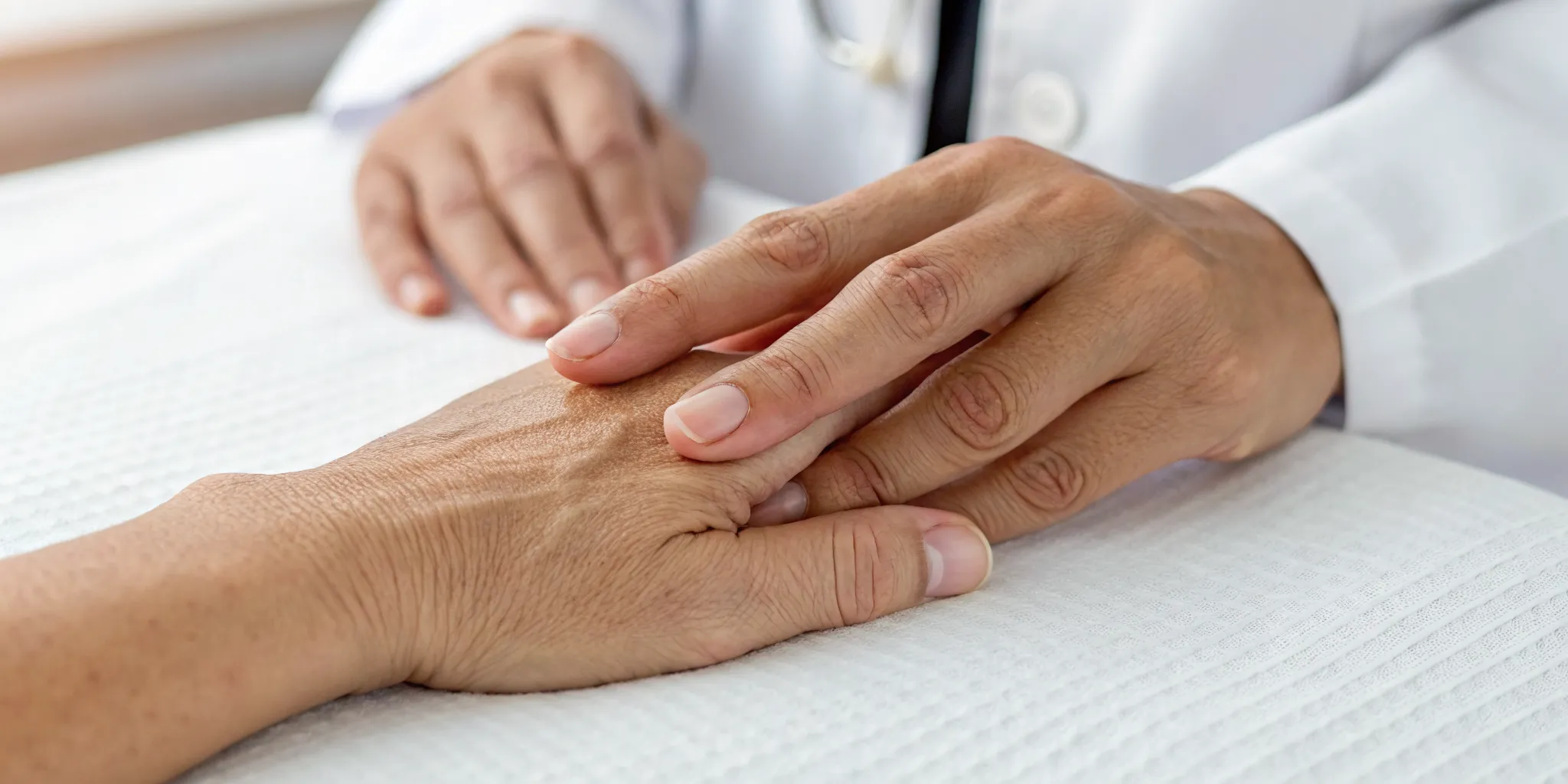
The pinch test is a staple in clinical assessments, but experienced practitioners know its limitations all too well. You’ve likely seen it yourself: an older client whose skin tents despite being well-hydrated, or a younger client whose skin snaps back instantly even when they admit to not drinking enough water. These inconsistencies highlight a critical gap in relying on skin turgor as a standalone measure. This guide directly addresses the unreliability of this common test, explaining how factors like age and medical history can skew the results. We will cover the key clinical signs to look for instead and discuss how modern diagnostic tools can provide the objective data needed to build effective, evidence-based treatment plans for your clients.
Key Takeaways
- Treat the pinch test as a clue, not a conclusion: This quick check offers a hint about hydration but isn’t a reliable diagnostic tool on its own. A client’s age, medications, and overall health can significantly influence the results, so always consider the bigger picture.
- Look beyond dehydration for the cause: Poor skin turgor is often linked to fluid loss, but it is not the only reason. The natural aging process, certain health conditions, and even major weight changes also impact skin elasticity, making a thorough client consultation essential.
- Pair professional treatments with client education: The best results come from combining your services with actionable at-home advice. Guide clients on daily habits like proper fluid intake, then use advanced treatments like hydradermabrasion and skin imaging to provide targeted, data-driven support.
What is Skin Turgor?
Simply put, skin turgor is a measure of your skin’s elasticity. It’s the skin’s ability to stretch and quickly return to its normal shape after being pinched. As an aesthetic professional, you can use a quick skin turgor test to get an initial read on a client’s hydration status. While it’s a simple and immediate assessment, understanding what influences the results is key to interpreting them correctly. Factors like age and overall health play a significant role in what you see, making it a useful starting point but not the complete picture of a client’s skin health.
Why Skin Elasticity is More Than Skin Deep
Skin elasticity is what gives skin its firm, youthful bounce. This quality comes from collagen and elastin, the structural proteins that act like tiny rubber bands within the dermis. When these fibers are healthy and abundant, the skin snaps back into place instantly. However, as we age, the body’s natural collagen production slows down, and existing fibers can become damaged. This is why an older person’s skin may take longer to return to normal, even if they are perfectly hydrated. A manual turgor test gives you a surface-level clue, but a comprehensive skin analysis can reveal much more about the underlying structural integrity and true age of a client’s skin.
The Connection Between Hydration and Skin Turgor
The link between skin turgor and hydration is direct and significant. Think of skin cells like tiny balloons; when they are full of water, the skin is plump and resilient. When fluid is lost, the cells deflate, and the skin loses its firmness. If you perform a pinch test and the skin doesn’t snap back quickly, it’s a classic sign of dehydration, indicating the body has lost too much fluid. Poor skin turgor typically points to moderate or severe fluid loss, which can be caused by anything from simply not drinking enough water to more acute issues like diarrhea, vomiting, or excessive sweating. It’s a vital sign that reflects a client’s immediate internal state.
How to Assess Skin Turgor
Assessing skin turgor is a fundamental skill for evaluating a client’s hydration and overall skin health. While advanced tools like our Image Pro® Skin Imaging Systems provide an in-depth look at skin condition, a manual check of skin turgor offers quick, hands-on insight. The most common method is the pinch test, a straightforward technique that can give you immediate feedback on skin elasticity and hydration. Understanding how to perform it and interpret the results is a valuable part of any comprehensive client consultation.
Performing the Pinch Test: A Step-by-Step Guide
The pinch test is a simple and effective way to get a baseline reading of a client’s hydration. To perform it, you gently grasp the skin between two fingers, typically on the back of the hand, the lower arm, or the abdomen. Hold the skin up in a “tent” for a few seconds and then release it. The key is to observe how quickly the skin returns to its normal, flat position. This quick manual check provides an immediate clue about the skin’s elasticity and fluid balance, which are foundational to its health and appearance.
What Good Skin Turgor Looks Like
When you’re looking for a sign of healthy, well-hydrated skin, the pinch test provides a clear answer. In a client with normal skin turgor, the skin will snap back into place almost instantly after being released. This rapid recoil demonstrates good elasticity and sufficient hydration within the skin’s layers. It’s the visible and tactile confirmation that the skin has the resilience it needs to look and feel its best. This quick return to form is what we all strive for in maintaining healthy skin for our clients.
What Poor Skin Turgor Looks Like
Conversely, poor skin turgor is a red flag that requires your attention. If the skin remains “tented” and takes a noticeable amount of time to return to its normal state after being pinched, it indicates poor turgor. This sluggish response is a classic sign of dehydration, suggesting a moderate to severe loss of fluid in the body. For aesthetic professionals, recognizing this sign is crucial. It not only affects the potential outcomes of treatments but also serves as an important indicator of a client’s overall health that may need to be addressed before proceeding with certain procedures.
What Affects Skin Turgor?
While hydration is the most well-known factor influencing skin turgor, it’s far from the only one. A variety of elements, from the natural aging process to underlying health conditions, can change how your client’s skin responds to the pinch test. Understanding these variables is key to accurately interpreting the results and providing the best care. As a practitioner, looking at the complete picture helps you distinguish between simple dehydration and more complex issues that might require a different approach or further investigation. Let’s walk through the main factors that can affect skin elasticity and what they mean for your assessments.
Your Hydration Level
The most direct influence on skin turgor is the body’s fluid balance. When a person is well-hydrated, their skin is plump and elastic, snapping back quickly when pinched. However, when the body loses more fluid than it takes in, the skin loses some of that resilience. This state of dehydration is a common cause of poor skin turgor. It can result from straightforward issues like not drinking enough water, excessive sweating during heat exhaustion, or more acute problems like persistent vomiting or diarrhea. For many clients, a gentle reminder about fluid intake is all that’s needed, but for others, poor turgor can be the first sign of a more significant fluid imbalance that needs attention.
The Natural Aging Process
As we get older, our skin undergoes significant structural changes. The production of collagen and elastin, the proteins responsible for skin’s firmness and elasticity, naturally declines. This means that for older adults, skin will inherently take longer to return to its normal position after being pinched, regardless of their hydration status. Because of this, the skin turgor test is often not a reliable standalone indicator of dehydration in this demographic. While it can still be a piece of the puzzle, you’ll get a more accurate picture by combining it with other clinical signs and, when necessary, more definitive measures of skin turgor and hydration.
Underlying Health Conditions
Certain medical conditions can directly impact the skin’s connective tissues, affecting its elasticity independent of hydration. For example, connective tissue disorders like Ehlers-Danlos syndrome can cause the skin to be unusually stretchy and less firm. Autoimmune conditions such as scleroderma can lead to a hardening and tightening of the skin, which also skews the results of a turgor test. It’s also worth noting that conditions associated with rapid fluid loss, like diabetes, can contribute to poor skin turgor. This is why a thorough client history is so important; it provides the context needed to correctly interpret what their skin is telling you.
Certain Medications
The medications a client is taking can also play a role in their skin’s hydration and elasticity. Diuretics, for instance, are designed to remove excess fluid from the body and can easily lead to dehydration if fluid intake isn’t adjusted accordingly. Other medications may have side effects like dry mouth, which can reduce a person’s desire to drink, indirectly causing dehydration. In older adults especially, polypharmacy (the use of multiple medications) can create a complex situation where the combined effects increase the overall risk of dehydration. Always consider a client’s current prescriptions when assessing their skin and hydration status.
Major Weight Fluctuations
Significant and rapid weight loss can also result in poor skin turgor. When a person loses a large amount of weight quickly, the skin may not have enough time to contract and adjust to the body’s new, smaller size. This can leave the skin appearing loose. Furthermore, some extreme weight loss methods can lead to dehydration and nutrient deficiencies, both of which impair the skin’s health and elasticity. While the effect is often temporary as the body stabilizes, it’s an important factor to consider, especially for clients who have recently undergone major lifestyle changes or bariatric surgery.
What Does Poor Skin Turgor Mean?
When you see a delayed snap-back during a pinch test, it’s a signal that something is off. While it’s a quick assessment, the results can point to a few different underlying issues, ranging from simple fluid loss to more complex health conditions. Understanding what poor skin turgor means is the first step in guiding your clients toward the right solution, whether that’s a glass of water or a more thorough medical evaluation. It’s a piece of the puzzle that helps you build a complete picture of their skin health and overall wellness.
Dehydration as the Primary Culprit
Most often, poor skin turgor is a direct sign of dehydration. When the skin doesn’t bounce back quickly, it indicates the body has lost a significant amount of fluid. This isn’t just about feeling a little thirsty; it typically points to moderate or even severe fluid loss. Mild dehydration is considered a loss of about 5% of the body’s fluid, while moderate is around 10%, and severe is 15% or more. Common causes include not drinking enough water, but it can also result from illnesses involving diarrhea and vomiting, heat exhaustion, or conditions like diabetes. It’s a visible cue that the body’s fluid balance needs immediate attention.
Other Potential Health Concerns
While dehydration is the most frequent cause, it’s not the only one. Certain health conditions can also affect skin elasticity without being related to hydration levels. For example, connective tissue disorders like scleroderma and Ehlers-Danlos syndrome can inherently reduce the skin’s ability to snap back. It’s also important to remember that for older adults, the skin turgor test loses some of its reliability. The natural loss of elasticity that comes with age can mimic the signs of dehydration, making it a less accurate standalone indicator. In these cases, looking at other clinical signs or lab results is a much better approach.
Is the Skin Turgor Test Always Reliable?
The skin turgor test is a quick, simple check you can perform in seconds. But while it’s a common practice, it’s far from a perfect diagnostic tool. The truth is, the reliability of the pinch test can be influenced by several factors, from a client’s age and health history to the simple fact that there’s no single, standardized way to perform it. Before you rely on it as a definitive sign of dehydration, it’s important to understand its significant limitations. These limitations don’t mean the test is useless, but they do highlight the need for a more comprehensive approach to assessing skin health and hydration. For aesthetic professionals, recognizing these nuances is key to providing accurate consultations and effective treatments.
How Age Affects Test Accuracy
While the skin turgor test can be a useful indicator of hydration in children and younger adults, its accuracy drops significantly with age. As we get older, our skin naturally produces less collagen and elastin, the proteins responsible for its firmness and elasticity. This means an older person’s skin may take several seconds to return to its normal position even when they are perfectly hydrated. For your practice, this is a critical distinction. Relying on a pinch test alone could be misleading, which is why more advanced tools like skin imaging systems can offer a more detailed and accurate analysis of a client’s true skin condition.
The Influence of Medications on Results
A client’s medical history and medications can also skew the results of a skin turgor test. Many common medications have side effects that can impact hydration levels or the skin’s properties directly. When you combine this with chronic health conditions or limited mobility, which are more prevalent in older adults, the risk of dehydration increases while the reliability of the pinch test decreases. These factors create a complex clinical picture where skin turgor is just one small, and potentially misleading, piece of the puzzle.
Why It’s Not a Standardized Measurement
One of the biggest challenges with the skin turgor test is the lack of a standardized protocol. One study that reviewed the existing research found that while many clinicians use a “pinch test,” they all do it differently. There is no universal agreement on how long to pinch the skin, how much pressure to apply, or even the best location on the body to perform the test. This inconsistency makes it nearly impossible to compare results accurately over time or between different practitioners. It’s more of a subjective clinical observation than a reliable, objective measurement.
Other Limitations of the Pinch Test
Ultimately, the pinch test is often not a good way to assess dehydration in adults, especially older clients. Because of the skin changes that come with aging and other external factors, it simply isn’t a definitive measure. More accurate and reliable methods for diagnosing dehydration include blood tests that measure electrolyte levels and other key markers. While the skin turgor test can be a quick initial check, it should never be used in isolation. It’s a clue, not a conclusion, and should always be considered alongside a broader clinical assessment of the client’s overall health.
Better Ways to Assess Hydration in Older Adults
While the skin turgor test is a quick, hands-on check, it isn’t the most reliable tool in your diagnostic kit, especially when working with older adults. Age-related loss of skin elasticity can give you a false positive for dehydration, leading to unnecessary concern or intervention. For a truly accurate picture of a client’s hydration status, it’s best to use a combination of more precise clinical methods. These approaches give you objective data, helping you provide the best possible care and guidance.
Blood and Electrolyte Panels
For a definitive assessment of hydration, nothing beats lab work. A blood test that includes an electrolyte panel provides a clear, scientific look at what’s happening inside the body. Dehydration is fundamentally an imbalance between fluid intake and losses, which can quickly lead to electrolyte disturbances. In older adults, these imbalances are particularly concerning as they can affect multiple organ systems. By analyzing levels of sodium, potassium, and other key electrolytes, you can accurately diagnose dehydration and its severity, allowing for targeted and effective treatment. This method removes the guesswork associated with physical signs.
Urine Analysis
Observing urine color and volume is another practical way to gauge hydration. It’s a simple, non-invasive method that can be easily taught to clients for self-monitoring at home. As a general rule, dark, concentrated urine and reduced urine output are classic indicators that the body is conserving water. While this is a valuable piece of the puzzle, remember that factors like medications, B vitamin supplements, and certain foods can also affect urine color. Think of it as a helpful daily indicator rather than a standalone diagnostic tool. It’s most effective when considered alongside other clinical signs and assessments.
Bioelectrical Impedance Analysis (BIA)
For practices that embrace advanced technology, Bioelectrical Impedance Analysis (BIA) offers a sophisticated way to measure body composition, including total body water. This method sends a safe, low-level electrical current through the body to measure resistance, which helps determine fluid levels. It provides a quantitative, non-invasive snapshot of a person’s hydration status. While specialized devices are needed, BIA moves beyond subjective physical tests. Using more accurate and consistent methods aligns with a modern approach to aesthetics, where data-driven insights from tools like our Image Pro® Skin Imaging Systems lead to better client outcomes.
Key Clinical Signs to Observe
Observing your client for key clinical signs remains a fundamental part of any assessment. Common symptoms like thirst, fatigue, lightheadedness, and dizziness are all important clues. However, it’s crucial to know that these signs can sometimes be unreliable in older adults. For instance, the sensation of thirst diminishes with age, so an older client may be significantly dehydrated without feeling thirsty. Therefore, while you should always look for these signs, interpret them as part of a larger clinical picture. Combining observation with more objective measures will always give you the most accurate understanding of your client’s hydration.
Recognizing Dehydration in Older Adults
Because the skin turgor test can be misleading in older adults, it’s important for practitioners to be familiar with a wider range of clinical signs. Catching dehydration early can prevent more serious complications and support your clients’ overall health and well-being. By staying observant during consultations, you can spot the subtle and not-so-subtle signs that a client needs to rehydrate.
Early Warning Signs
The initial signs of dehydration can often be subtle and easily mistaken for general fatigue or side effects of aging. When speaking with your older clients, listen for complaints of thirst, tiredness, or feeling dizzy and light-headed. You can also look for physical clues like dry lips and skin. One of the most reliable indicators is a change in urination; ask if they’ve noticed a reduced output or if their urine has become darker in color. These symptoms of dehydration are your first clues that a client’s fluid intake may be insufficient, presenting an opportunity to offer guidance on proper hydration before the issue becomes more severe.
Red Flags for Severe Dehydration
While early signs warrant a conversation, certain symptoms point to severe dehydration and require prompt medical attention. If a client exhibits confusion, disorientation, or significant difficulty with simple cognitive tasks, it’s a major red flag. These mental changes suggest that dehydration has progressed to a point where it’s affecting brain function. This is a critical clinical condition that can lead to electrolyte imbalances and even organ dysfunction if left untreated. In these cases, it’s essential to direct the client toward immediate medical care, as intervention is necessary to restore fluid balance and prevent life-threatening complications.
When to Call a Doctor
As a practitioner, knowing the difference between simple dehydration and a more serious medical issue is key to providing excellent care. While the skin turgor test is a quick assessment, its results should always be considered alongside other clinical signs. Guiding your clients on when to seek further medical help is a critical part of your role, especially when poor skin turgor points to a significant fluid deficit.
For Mild to Moderate Dehydration
If you notice a client’s skin is only slightly slow to return to its normal state, it likely indicates mild dehydration. The immediate recommendation is straightforward: encourage them to drink more fluids, focusing on water or drinks that contain electrolytes. However, if poor skin turgor occurs with persistent vomiting, diarrhea, or fever, the situation becomes more complex. Even if the dehydration seems moderate, these symptoms can prevent a person from taking in enough fluids to rehydrate effectively. In these cases, advising your client to contact their primary care physician is the responsible next step, as they may need a more structured rehydration plan.
For Symptoms Requiring Immediate Care
Certain symptoms paired with poor skin turgor are red flags that demand urgent medical attention. This is especially true for vulnerable populations like infants, young children, and older adults. If a client in these groups presents with poor skin elasticity alongside vomiting, diarrhea, or fever, you should advise them to seek medical care immediately. Other serious signs of severe dehydration include confusion, dizziness, or extreme lethargy. These symptoms suggest that the body’s fluid loss is impacting brain function and requires rapid intervention. In severe instances, oral rehydration is not enough, and the patient may need intravenous (IV) fluids to safely and quickly restore their body’s fluid balance.
How to Support Healthy, Hydrated Skin
While skin turgor is a useful indicator, the goal is always to help clients achieve genuinely healthy and hydrated skin, not just to pass a pinch test. Supporting skin hydration involves a two-part approach: establishing consistent daily habits and incorporating professional aesthetic treatments. As a practitioner, you can guide your clients on both fronts, creating a comprehensive plan that delivers visible, lasting results and reinforces the value of your expertise.
This combination ensures clients are caring for their skin from the inside out while benefiting from the advanced, targeted solutions your practice provides.
Simple Habits for Better Hydration
The foundation of supple, elastic skin begins with simple, daily practices. You can empower your clients by teaching them that what they do at home matters just as much as what happens in your treatment room. While moisturizers help the skin’s surface, one of the most important ways to support healthy skin hydration is by drinking enough fluids throughout the day.
Beyond water intake, encourage a diet rich in omega-3 fatty acids and antioxidants. Foods like salmon, walnuts, and berries contribute to overall skin health and resilience. A consistent skincare routine using products with humectants, like hyaluronic acid, will also help draw and lock moisture into the skin, complementing the benefits of proper nutrition and hydration.
The Role of Professional Aesthetic Treatments
Daily habits are crucial, but professional treatments can address hydration on a deeper level that clients can’t achieve at home. Environmental factors, sun exposure, and even the wrong product choices can compromise the skin’s ability to retain moisture. This is where your practice can make a significant impact by offering targeted solutions.
Advanced treatments like hydradermabrasion exfoliate the outer layer of dead cells while infusing the skin with hydrating serums, providing an immediate improvement in texture and plumpness. You can also use sophisticated skin imaging systems to accurately assess a client’s hydration levels, create a personalized treatment plan, and visually track their progress over time. These technologies allow you to move beyond basic assessments and offer truly data-driven care.
Frequently Asked Questions
So, should I stop using the skin turgor test on my clients? Not necessarily, but it’s important to understand its place. Think of the pinch test as a quick, initial clue rather than a definitive diagnostic tool. For younger clients, it can be a helpful indicator of their immediate hydration status. For older adults, its reliability drops significantly due to natural collagen and elastin loss. The best approach is to use it as one small piece of a much larger puzzle, combining it with a thorough client history and observation of other clinical signs.
How do I explain to an older client that their poor skin turgor isn’t necessarily a sign of dehydration? This is a great question because it requires a delicate conversation. I would explain it by focusing on the skin’s structure. You can say something like, “As we age, our skin’s support system, made of proteins called collagen and elastin, naturally becomes less dense. This means the skin doesn’t snap back as quickly as it used to, regardless of how much water you drink. It’s a completely normal change in skin structure, not a reflection of your hydration habits.”
What’s the difference between poor skin turgor from dehydration versus from aging? The key difference is the underlying cause. Poor turgor from dehydration is a temporary state caused by a lack of fluid in the skin cells, making them less plump and resilient. This can be corrected by rehydrating. Poor turgor related to aging is a long-term structural change. It happens because the skin’s framework of collagen and elastin has weakened over time, reducing its inherent firmness and ability to bounce back.
Besides telling clients to drink more water, what are the most effective ways to improve skin elasticity? Supporting skin elasticity is a two-part strategy. At home, clients can focus on a diet rich in antioxidants and healthy fats and use skincare with humectants like hyaluronic acid to help the skin attract and hold moisture. Professionally, you can offer treatments that provide more intensive results. Services like hydradermabrasion exfoliate dull skin while infusing it with hydrating serums, giving an immediate boost in plumpness and glow that clients can’t achieve on their own.
If a client shows signs of severe dehydration, what is my responsibility as an aesthetic professional? Your responsibility is to recognize the warning signs and guide your client toward appropriate medical care. If poor skin turgor is accompanied by red flags like confusion, extreme lethargy, dizziness, or fever, you should advise them to seek medical attention immediately. Your role is not to diagnose, but to be a knowledgeable professional who can identify a potentially serious situation and ensure your client gets the help they need.