
How to Improve Skin Texture: A Guide for Medspas
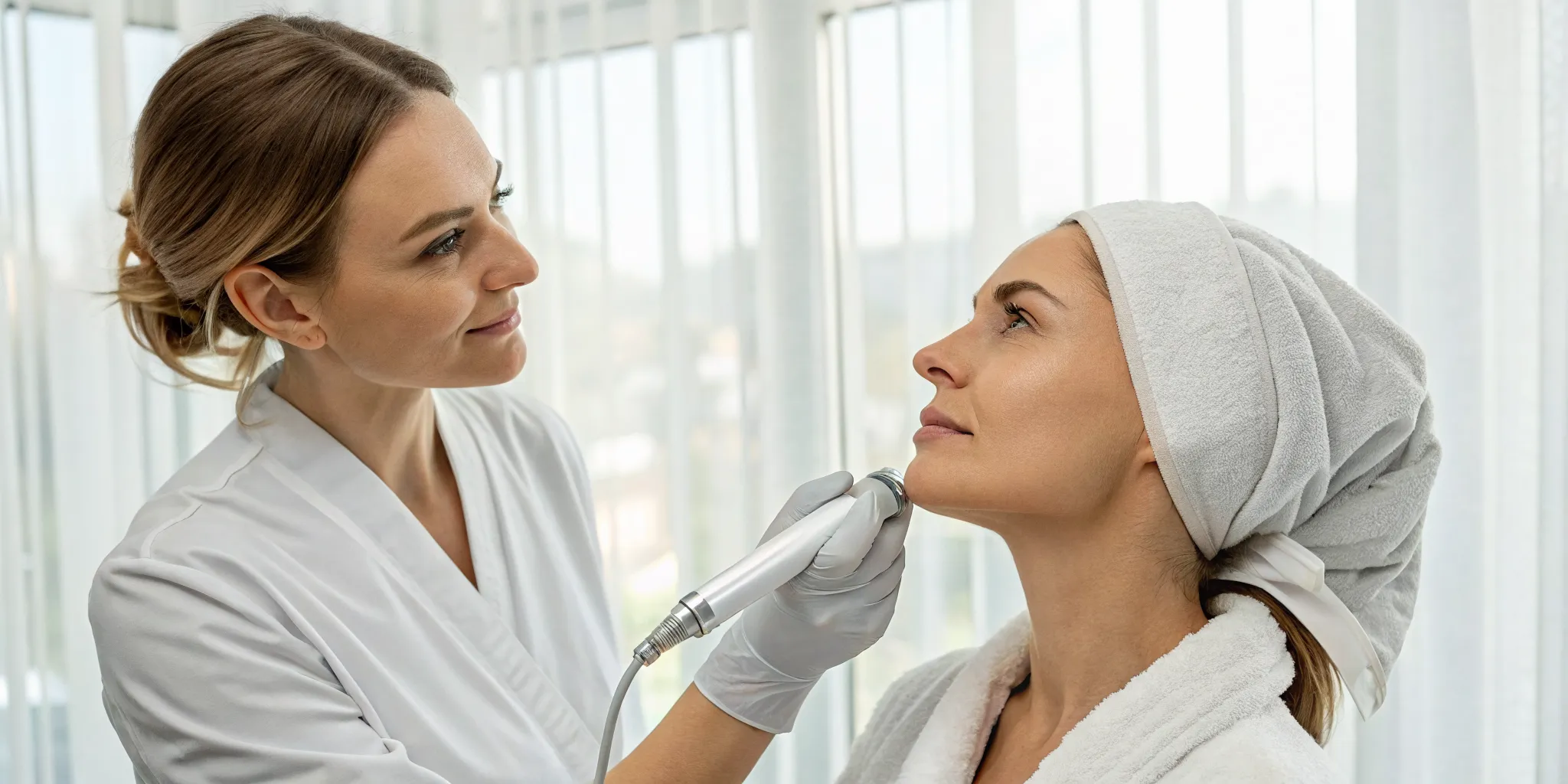
An effective treatment plan always begins with an accurate diagnosis. When it comes to correcting uneven skin texture, you can’t fix what you can’t fully see. A simple visual check only tells part of the story; the real causes often lie hidden beneath the skin’s surface. This is where your expertise, supported by advanced diagnostic technology, becomes a game-changer. This article highlights the power of a thorough assessment in achieving superior results. We will explore how to combine hands-on methods with modern skin imaging to create data-driven treatment plans that build incredible client trust by showing them tangible proof of their progress every step of the way.
Key Takeaways
- Diagnose with data, not just sight: Use advanced skin imaging to uncover the true causes of uneven texture, like hidden sun damage or dehydration. This data-driven method builds client trust and allows you to create precise, effective treatment plans.
- Pair powerful treatments with daily habits: The best results come from combining in-office services, such as microneedling and hydradermabrasion, with a consistent client routine. Educating them on supportive skincare and lifestyle choices protects their investment and improves outcomes.
- Build loyalty through long-term planning: Frame texture improvement as a journey, not a single appointment. Develop strategic plans with follow-ups and progress tracking to show clients their investment is working, turning them into loyal, long-term partners.
What Is Skin Texture?
When we talk about skin texture, we’re referring to the condition of the skin’s surface. Is it smooth and soft, or is it rough, bumpy, or uneven? While flawless, poreless skin is the stuff of filters, healthy skin has a naturally smooth and uniform quality. As a practitioner, you know that clients often come to you concerned about texture issues that prevent them from achieving a radiant complexion. Helping them understand what causes uneven texture is the first step in guiding them toward the right solutions.
What Healthy Skin Looks and Feels Like
Healthy skin texture is smooth to the touch and has an even, consistent surface. This uniformity allows light to reflect off the skin evenly, creating a natural luminosity or “glow” that so many clients desire. When skin is well-hydrated and free from a buildup of dead cells, it feels soft, supple, and firm. This is the baseline you help your clients work toward. Treatments like hydradermabrasion are fantastic for restoring this smooth surface by deeply cleansing and hydrating the skin, revealing a brighter and more even complexion that looks as good as it feels.
Identifying the Signs of Uneven Texture
You can often spot uneven skin texture from across the room. It might present as a general dullness, where the skin lacks vibrancy and light-reflecting quality. Up close, the signs become more specific: enlarged pores, rough patches, small bumps, or the lingering indentations from acne scars. Fine lines and wrinkles also contribute to an uneven surface. These are the very concerns that bring clients into your practice seeking solutions. Offering treatments like microneedling can directly address these issues by stimulating collagen production to smooth scars, refine pores, and soften fine lines for visibly improved texture.
Debunking Common Skin Texture Myths
Part of guiding your clients is correcting common misconceptions about skincare. One major myth is that professional treatments are only for mature skin. In reality, addressing texture concerns early can prevent future damage and maintain skin health for years. Another myth is that facials and aesthetic treatments are just for women. Skin is skin, and men experience the same texture issues from sun damage, acne, and aging. By educating your clients, you can help them see that our technologies are designed to provide targeted results for anyone seeking healthier, smoother skin.
What Causes Uneven Skin Texture?
When clients complain about their skin’s texture, they’re often pointing to a collection of issues that disrupt its smooth surface. Understanding the root causes is the first step in creating an effective treatment plan. From environmental damage to the natural aging process, several factors contribute to a rough, bumpy, or irregular complexion. By identifying the specific culprits for each client, you can recommend targeted treatments and at-home care that deliver visible, lasting results. Let’s explore the most common reasons your clients may be struggling with uneven skin texture and how your practice can address them with modern aesthetic solutions.
Dead Skin Cell Buildup
Our skin is constantly renewing itself, but sometimes the process of shedding old cells, called desquamation, doesn’t happen as efficiently as it should. This slowdown causes dead skin cells to accumulate on the surface. As research shows, this buildup can clog pores and give the skin a dull, lackluster appearance. This accumulation is a primary cause of a rough, dry feel that clients often complain about. Professional exfoliation is key to managing this. Treatments like our CytoPeel hydradermabrasion system are designed to gently remove this dead layer, instantly revealing the brighter, smoother skin underneath and allowing for better product penetration.
Acne and Acne Scarring
Active acne breakouts, with their associated inflammation, papules, and pustules, are a significant source of uneven texture. But even after the blemishes have cleared, they can leave their mark. Post-inflammatory hyperpigmentation can alter skin tone, while acne scarring creates physical indentations or raised tissue. These scars, whether atrophic (pitted) or hypertrophic (raised), create a permanently uneven surface that can be a major concern for clients. For these situations, collagen-stimulating treatments are essential. Advanced microneedling with a device like the CytoPen can help remodel scar tissue and rebuild the skin’s underlying support structure for a smoother finish.
Sun Damage and Environmental Factors
Daily exposure to UV radiation is one of the biggest contributors to textural changes over time. Even on cloudy days, sun exposure degrades collagen and elastin, the proteins that keep skin firm and smooth, leading to fine lines, wrinkles, and a leathery feel. Beyond the sun, environmental pollutants can generate free radicals that cause oxidative stress, further accelerating skin aging and disrupting its surface. Using an advanced skin imaging system in your consultations can be a powerful tool. It allows you to show clients the underlying sun damage that isn’t yet visible, reinforcing the need for professional treatments and consistent sun protection.
Aging and Collagen Loss
Beyond the damage from external factors, our skin’s texture naturally changes as we age. The body’s production of collagen and elastin begins to decline, causing skin to lose its youthful firmness and elasticity. At the same time, the rate of skin cell turnover slows down, which can lead to a drier, more uneven surface. This combination of structural loss and slower renewal results in the fine lines, wrinkles, and general roughness associated with mature skin. A study published in the journal Dermato-Endocrinology details how this collagen degradation impacts skin structure. Treatments that stimulate new collagen growth are crucial for counteracting these effects and restoring a smoother, more resilient texture.
Dehydration and a Damaged Moisture Barrier
It’s important to distinguish between dry skin, which lacks oil, and dehydrated skin, which lacks water. Even oily skin types can become dehydrated. This often happens when the skin’s natural moisture barrier is compromised by harsh products, over-exfoliation, or environmental conditions. A damaged barrier can’t effectively hold onto moisture, leading to a tight, rough, and flaky texture. Restoring this barrier is fundamental to improving texture. Gentle skincare and hydrating treatments are a must. A hydradermabrasion facial can deeply infuse the skin with nourishing serums to replenish lost moisture and support barrier repair.
Genetics and Underlying Skin Conditions
Sometimes, skin texture is simply written in a client’s DNA. Genetics play a significant role in determining pore size, oil production, and a predisposition to certain skin conditions that affect texture, such as rosacea, eczema, and keratosis pilaris. While you can’t change a client’s genetic makeup, you can provide them with a clear path to manage these inherent traits. A thorough consultation, aided by precise skin analysis, helps you create a long-term treatment plan that addresses their specific concerns. By partnering with an experienced team, you can offer effective solutions that help clients feel confident in their skin. Our team at Emage Medical is here to support your practice in achieving just that.
How to Assess Skin Texture in Your Practice
To create a plan that truly transforms a client’s skin, you first need a clear picture of its current state. A thorough assessment helps you pinpoint the exact causes of uneven texture, from dehydration to sun damage. By combining traditional methods with advanced technology, you can get a complete view of your client’s skin health. This builds a strong foundation of trust and sets them up for incredible results.
A Simple Visual Check
Your assessment can begin with a simple visual check. Healthy skin texture looks smooth, feels soft, and has a natural glow. As you observe your client’s skin, look for any deviations from this baseline. Are there areas of dullness, visible pores, or a rough, uneven surface? This initial observation is your first clue to what’s happening beneath the surface. It helps you identify the most apparent concerns and opens up a conversation with your client about what they’re noticing at home. Think of it as creating a preliminary map of their skin that you’ll add more detail to with the next steps of your assessment.
The Touch Test
After the visual check, a gentle touch test can reveal details that the eye might miss. How the skin feels can tell you a lot about its condition. Gently glide your fingertips across different areas of your client’s face. Do you feel small bumps, rough patches, or areas of congestion? These tactile clues can point to underlying causes like a buildup of dead skin cells, clogged pores, or dehydration. For example, skin that feels tight and rough might have a compromised moisture barrier, while bumpy areas could indicate congestion. This hands-on step helps you confirm your visual findings and gain a more nuanced understanding of the client’s specific texture issues.
Use Skin Imaging for a Deeper Analysis
For the most accurate and comprehensive assessment, nothing beats advanced technology. While your eyes and hands provide valuable insights, modern skin imaging systems let you see what’s happening on a microscopic level. These devices use high-resolution 3D technology to analyze everything from pore size and oil production to hidden sun damage and pigmentation. This detailed data allows you to move beyond guesswork and create a truly personalized treatment plan. It’s also an incredible tool for client education, as you can show them exactly what you see and track their progress with clear, compelling visuals after treatments like microneedling or hydradermabrasion.
Lifestyle Habits That Promote Smoother Skin
Professional treatments can create incredible changes in skin texture, but the work doesn’t stop when your client leaves the office. The daily habits they practice at home are what sustain and enhance those results over the long term. As an aesthetic professional, you have the unique opportunity to guide your clients beyond the treatment room. By educating them on the connection between lifestyle and skin health, you empower them to become active partners in their own care. This holistic approach not only improves their outcomes but also builds significant trust and reinforces your expertise.
When clients understand the why behind your recommendations, they are more likely to adhere to them, leading to greater satisfaction and loyalty. Discussing these foundational habits sets your practice apart, showing that you are invested in their skin’s health for the long haul, not just for a single appointment. It transforms the client relationship from a simple transaction into a supportive partnership. Here are the key lifestyle pillars to discuss with them to support the beautiful results you achieve together.
The Role of Diet and Hydration
What we put into our bodies directly impacts our skin’s appearance. You can guide your clients by explaining that a balanced diet provides the building blocks for healthy skin cells. Encourage them to eat a variety of antioxidant-rich foods like berries, leafy greens, and nuts, which help protect the skin from environmental damage. Healthy fats found in avocados and salmon are also essential for maintaining a strong skin barrier. Just as important is hydration. Drinking plenty of water helps keep skin plump, flexible, and less prone to looking dull or rough. A well-hydrated body supports optimal cellular function, which is fundamental for smooth, resilient skin.
Why Daily Sun Protection Is Crucial
If there’s one non-negotiable habit for better skin texture, it’s daily sun protection. Remind your clients that UV exposure is a primary cause of collagen and elastin degradation, which leads directly to a rough, uneven complexion and premature aging. It’s a simple message with a huge impact: use sunscreen every single day, no matter the weather. Advise them to choose a broad-spectrum sunscreen with an SPF of 30 or higher and to reapply it every two hours when outdoors. Consistent sun protection not only prevents future damage but also gives the skin a chance to repair itself, allowing the professional treatments you provide to deliver even better, more lasting results.
How Exercise, Sleep, and Stress Impact Skin
Our overall well-being is reflected in our skin. Regular exercise is a great example. Moving your body improves blood flow, delivering more oxygen and nutrients to skin cells while helping to flush out waste products. This can contribute to a healthier, more vibrant complexion. Sleep is equally vital, as it’s when the skin enters its primary repair cycle. Aiming for seven to nine hours a night allows the body to produce new collagen and heal damage from the day. Finally, managing stress is key. Chronic stress increases cortisol levels, which can trigger inflammation, disrupt the skin barrier, and worsen texture issues. Encouraging clients to adopt stress-reduction practices is a valuable part of any comprehensive skin health plan.
Build a Skincare Routine to Improve Skin Texture
While professional treatments deliver transformative results, a consistent at-home skincare routine is the foundation for maintaining and enhancing them. Guiding your clients on the right daily habits not only protects their investment in your services but also empowers them to achieve lasting smoothness and radiance. A targeted routine built on cleansing, exfoliating, treating, and moisturizing will support the incredible work you do in your practice and keep clients on track toward their skin goals.
Cleanse and Exfoliate with AHAs and BHAs
To achieve a smoother surface, clients must regularly clear away the dead skin cells that cause dullness and roughness. Advise them to incorporate chemical exfoliants into their routine two to three times a week. Alpha Hydroxy Acids (AHAs), like glycolic and lactic acid, are excellent for surface-level exfoliation and improving radiance. For clients with clogged pores, Beta Hydroxy Acids (BHAs), such as salicylic acid, work deeper to clear out impurities. Using these acids consistently helps reveal the fresher, more even-toned skin underneath.
Incorporate Retinoids and Peptides
Retinoids are one of the most effective ingredients for refining skin texture. These vitamin A derivatives work by accelerating cell turnover and stimulating new collagen production, leading to firmer, smoother skin over time. You can recommend clients start with an over-the-counter option to build tolerance. In addition, peptides are fantastic supporting ingredients that help repair the skin and improve its overall structure. Together, these ingredients create a powerful combination for tackling unevenness and signs of aging.
Moisturize to Support the Skin Barrier
You can’t achieve smooth skin without a healthy, hydrated base. Remind clients that moisturizing every morning and night is a non-negotiable step. A strong skin barrier is essential for locking in moisture and protecting the skin from environmental irritants. When the barrier is compromised, skin becomes dry, flaky, and rough, which undermines the effects of other products and treatments. A good moisturizer keeps the skin supple and resilient, creating the ideal canvas for a smooth, flawless look.
Emphasize Consistency and Personalization
Finally, it’s crucial to manage client expectations. Improving skin texture is a gradual process that requires patience and, most importantly, consistency. Encourage your clients to stick with their routine to see meaningful results. It’s also important to personalize the skincare routine based on their specific skin type and concerns, as a one-size-fits-all approach rarely works. By creating a tailored plan and reinforcing the need for daily commitment, you set your clients up for long-term success and build their trust in your expertise.
Offer Professional Treatments to Transform Skin Texture
While a consistent at-home routine is fundamental, professional treatments are what truly create transformative results for your clients. By offering advanced aesthetic services, you can address stubborn texture concerns that skincare alone can’t resolve. This not only delivers the visible improvements your clients are looking for but also positions your practice as a results-driven authority in skin health. Integrating treatments like microneedling, hydradermabrasion, and laser resurfacing into your service menu allows you to create comprehensive, multi-step plans for every client.
These technologies are designed to work synergistically, targeting uneven texture from multiple angles. For example, a client might start with hydradermabrasion for a deep cleanse and then move on to a series of microneedling sessions to build collagen. The key is to have a versatile set of aesthetic medical devices that allows you to customize protocols. Pairing these powerful treatments with detailed skin analysis helps you demonstrate their value, track progress objectively, and keep clients invested in their long-term skin journey. This approach builds trust and ensures your clients see the return on their investment, leading to higher retention and more referrals.
Microneedling: Stimulate Collagen for Smoother Skin
Microneedling is a powerhouse treatment for smoothing uneven skin texture, especially for clients concerned with acne scars and fine lines. The procedure uses fine needles to create controlled micro-injuries in the skin, which kicks the body’s natural healing process into high gear. This response stimulates the production of new collagen and elastin, the essential proteins that give skin its firm, smooth structure.
As a versatile and effective modality, microneedling can be tailored to different skin types and concerns. Research shows it is particularly effective for treating atrophic acne scars, improving overall skin texture, and reducing the appearance of wrinkles. By promoting skin rejuvenation from within, it helps your clients achieve a visibly smoother and more refined complexion over a series of treatments.
Hydradermabrasion: Deeply Cleanse and Hydrate
For clients seeking an immediate improvement in skin texture and a radiant glow, hydradermabrasion is an excellent choice. This treatment provides a gentle yet effective alternative to traditional microdermabrasion. It works by combining mechanical exfoliation using a vortex-like tip with the simultaneous infusion of targeted, hydrating serums. This dual action deeply cleanses pores and sloughs away dead skin cells while delivering intense moisture.
The result is skin that feels instantly softer and looks brighter and more refreshed. Hydradermabrasion is a fantastic foundational treatment in any texture-improvement plan, as it preps the skin for other procedures and enhances the absorption of at-home skincare products. It’s a go-to for clients who want a refreshed appearance with no downtime.
Chemical Peels and Lasers for Advanced Resurfacing
When clients need more significant correction for concerns like deep acne scarring, sun damage, or pronounced wrinkles, advanced resurfacing treatments are the answer. Services like fractional CO2 lasers and medical-grade chemical peels work by removing the damaged outer layers of the skin. This process triggers a powerful healing response, promoting the growth of new, healthy skin that is smoother in texture and more even in tone.
Fractional lasers are one of the most advanced options for improving skin texture, as they create micro-thermal zones deep within the skin while leaving surrounding tissue intact. This approach allows for faster healing and impressive results. Offering a range of advanced aesthetic treatments gives you the flexibility to address a wide spectrum of texture issues, from mild roughness to severe scarring.
Use Skin Imaging to Showcase Treatment Progress
One of the best ways to build client trust and demonstrate the effectiveness of your treatments is by showing them tangible proof of their progress. Advanced skin imaging systems allow you to move beyond what the naked eye can see and provide an in-depth analysis of your client’s skin. These devices can accurately measure and document changes in pore size, wrinkles, oil production, and of course, skin texture.
Before starting a treatment plan, you can capture baseline images to identify key concerns. As the client progresses through their sessions, you can take new scans to visually showcase their improvement. This data-driven approach validates their investment, reinforces the value of your services, and helps you make informed adjustments to their treatment plan for even better results.
Guide Your Clients on Their Skin Texture Journey
As an aesthetic professional, your role extends beyond performing treatments. You are a trusted guide, helping clients make sense of their skin concerns and showing them a clear path to the results they want. By educating clients, conducting thorough consultations, and creating sustainable plans, you build the long-term relationships that are the foundation of a successful practice. This partnership approach not only delivers better outcomes but also establishes your practice as the go-to authority for skin health.
Help Clients Identify When to Seek Professional Help
Many clients try to manage uneven skin texture on their own, but it’s important to help them understand when at-home efforts are not enough. A good rule of thumb is that if a client sees no improvement after 8 to 12 weeks of a consistent skincare routine, it’s time to seek professional guidance. Often, what they perceive as simple “texture” could be a sign of a more complex issue like rosacea, persistent acne, or a damaged skin barrier that requires an expert diagnosis. Educating your clients on this timeline empowers them to stop wasting money on ineffective products and invest in a professional consultation that will uncover the true cause of their concerns and set them on a path to real results.
How to Conduct an Effective Skin Consultation
An effective consultation is the cornerstone of a successful treatment plan. It’s your opportunity to listen, diagnose, and build trust. Go beyond the surface by asking about your client’s lifestyle, diet, current skincare products, and biggest frustrations. This helps you understand their unique needs and goals. Using an advanced tool like an Image Pro® skin imaging system can transform this conversation, providing a detailed analysis of subsurface skin conditions that aren’t visible to the naked eye. This data allows you to move from guessing to knowing, so you can co-create a targeted treatment plan that directly addresses their specific concerns and makes them feel truly seen and understood.
Create Long-Term Plans for Lasting Results
Improving skin texture is a process, not a one-time fix. It’s crucial to set realistic expectations from the start. Explain that achieving smooth, healthy skin involves a combination of professional treatments and consistent at-home care. Develop a long-term strategy that outlines a series of treatments, such as microneedling, to stimulate collagen and rejuvenate the skin over time. Schedule follow-up appointments to track progress, adjust the plan as needed, and recommend maintenance sessions. This approach not only ensures clients achieve and maintain their desired results but also fosters loyalty, turning a first-time visitor into a lifelong client who trusts your expertise to guide their skin journey.
Frequently Asked Questions
How can I best combine treatments like microneedling and hydradermabrasion to improve a client’s skin texture? Think of it as a strategic partnership for the skin. Hydradermabrasion is the perfect opening act. It deeply cleanses the pores and gently exfoliates the surface, clearing away debris and dead cells. This creates a clean, hydrated canvas, making the skin much more receptive to the next step. Following up with microneedling allows the device to work more effectively on a prepared surface, stimulating collagen production to address deeper concerns like scars and fine lines. This combination delivers both an immediate glow and long-term structural improvement.
What’s the best way to manage client expectations about the timeline for seeing texture improvements? Honesty and education during the initial consultation are key. I find it helpful to explain that improving skin texture is a process, much like getting in shape. One session will make a difference, but lasting change comes from a consistent plan. Use skin imaging visuals to establish a clear starting point and explain the biological process of cell turnover and collagen growth, which takes time. Frame the treatment plan as a journey you will guide them on, with checkpoints to track progress and celebrate improvements along the way.
How does the cause of uneven texture, like acne scars versus sun damage, influence my treatment plan? The cause is everything when it comes to creating an effective plan. For a client with atrophic acne scars, your primary goal is to rebuild lost collagen and remodel the scar tissue from within, making microneedling an ideal core treatment. For a client whose texture issues stem from chronic sun damage, you might take a different approach. You’ll still want to stimulate collagen, but you may also need to address surface-level pigmentation and roughness more aggressively with treatments like chemical peels or hydradermabrasion to remove damaged layers and improve overall tone.
Besides sunscreen, what is the most critical at-home habit for clients to adopt to support their professional treatments? Consistent, gentle exfoliation is the most important habit for maintaining smooth skin between appointments. While you provide the heavy lifting in the treatment room, clients need to manage the natural buildup of dead skin cells at home. Teach them to incorporate a chemical exfoliant with AHAs or BHAs into their routine a few nights a week. This simple step prevents the dullness and roughness from returning, keeps their skin looking bright, and ensures that the hydrating and corrective products you recommend can penetrate effectively.
How can I use a skin imaging system to increase client commitment to a long-term treatment plan? A skin imaging system is your greatest tool for building trust and demonstrating value. During the consultation, the images provide undeniable, objective proof of underlying issues like sun damage or inflammation that the client can’t see. This visual data helps them understand the “why” behind your recommendations. Then, by capturing new images at key points in their treatment plan, you can show them concrete, measurable progress. When clients can visually see their texture smoothing and their pores refining, they become more invested in the process and motivated to continue with your plan.