
Trichoscope for Sale: The Ultimate Buyer’s Guide
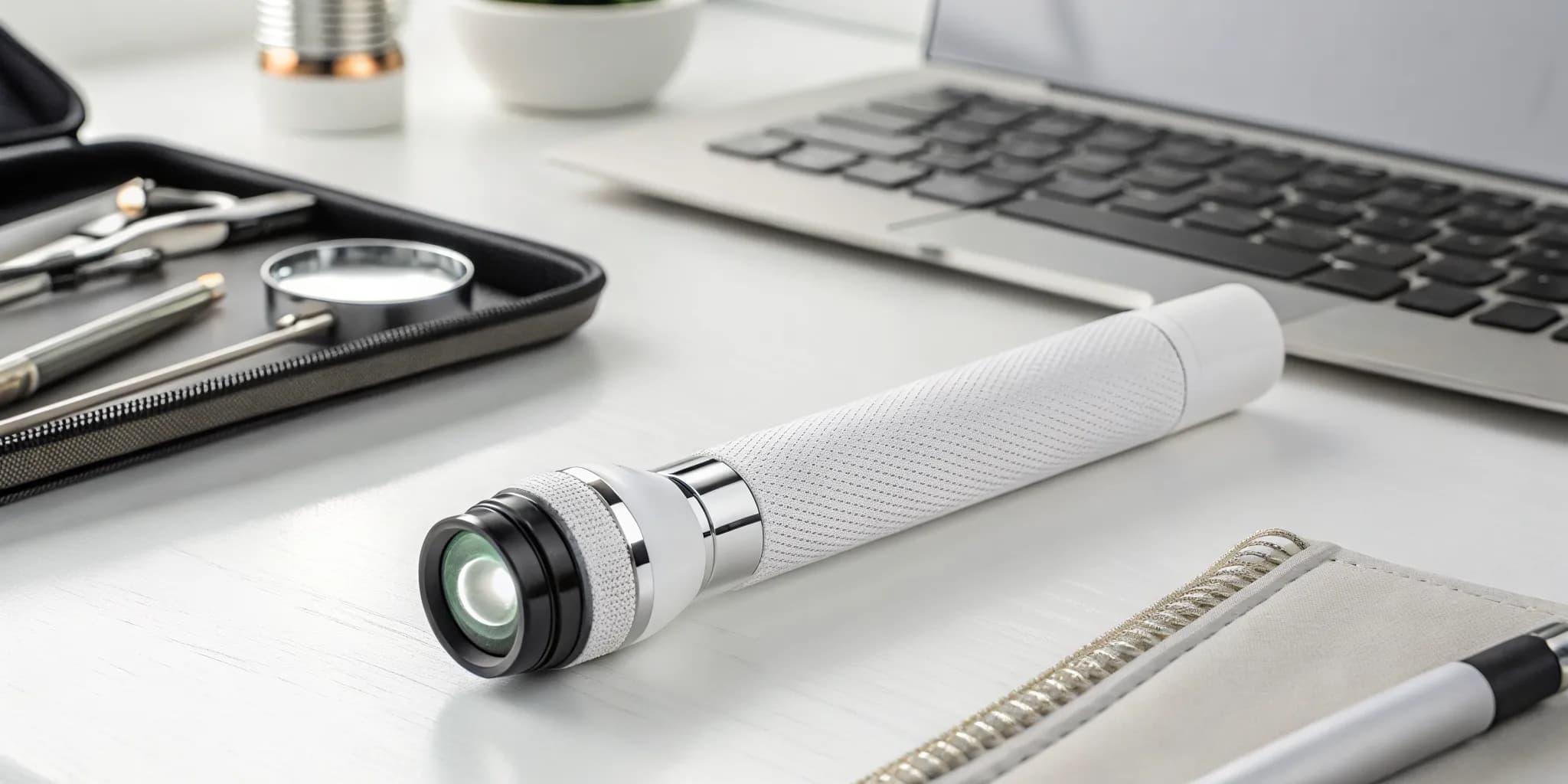
For patients experiencing hair loss, the journey is often filled with anxiety and confusion. They want to understand what’s happening on their own scalp and feel like an active partner in their treatment. A trichoscope makes this possible. By displaying a live, magnified view of their hair and follicles on a screen, you demystify their condition and build immediate rapport. This educational approach fosters incredible trust and improves treatment adherence, as patients can see the “why” behind your recommendations. When your practice decides to look for a trichoscope for sale, you’re not just buying a piece of equipment; you’re investing in a better patient experience. This guide will help you select the perfect tool to strengthen those client relationships and deliver superior care.
Key Takeaways
- Improve Diagnostic Accuracy and Patient Education: A trichoscope offers a non-invasive, magnified view of the scalp, leading to more precise diagnoses. Sharing these images with patients helps them understand their condition and builds their confidence in your proposed treatment plan.
- Choose a System That Fits Your Workflow: Consider how you will use the device daily. Evaluate key features like magnification, lighting, and software, then decide if a portable handheld model or a stationary desktop system is the right fit for your clinic’s space and consultation style.
- Look Beyond the Device to the Partnership: A trichoscope is a long-term investment, so ask critical questions before you buy. Inquire about the warranty, staff training, and ongoing support to ensure you are choosing a reliable partner who will help you succeed.
What Is a Trichoscope?
At its core, trichoscopy is simply dermoscopy of the hair and scalp. It’s a non-invasive diagnostic technique that uses a handheld or desktop device, called a trichoscope, to get a magnified look at what’s happening on a patient’s head. Think of it as the essential bridge between what you can see with your own eyes and what a more invasive biopsy might reveal. This powerful tool gives you a detailed view of hair shafts, follicular openings, the surrounding skin, and the vascular network, revealing specific patterns and structures that are otherwise invisible.
This level of detail is a game-changer for any practice offering hair restoration services. Instead of relying solely on visual inspection and patient history, you can use a trichoscope to gather objective, microscopic data right in your exam room. This not only sharpens your diagnostic accuracy but also builds incredible trust with your patients. When they can see the magnified images of their own scalp and you can explain exactly what you’re seeing, it demystifies their condition and makes them feel more confident in your proposed treatment plan. It transforms the consultation from a conversation into a collaborative, educational experience.
How Does a Trichoscope Work?
A trichoscope is a specialized dermatoscope designed for the unique terrain of the scalp. It works by using high-magnification lenses, often ranging from 10x to 70x or more, combined with a built-in light source to illuminate the scalp and hair follicles. This process of dermoscopic imaging allows you to see detailed morphological structures, colors, and patterns that are impossible to spot with the naked eye. Many modern trichoscopes also use polarized light, which helps reduce glare from the skin’s surface. This gives you an even clearer view of the vascular patterns and pigmentation underneath, which are key clues for many conditions. The device captures these high-definition images or videos, displaying them on a screen for immediate analysis.
Trichoscopy vs. a Traditional Scalp Exam
A traditional scalp exam relies on your clinical experience and what you can observe visually. While that’s an essential starting point, it has its limits. Trichoscopy picks up where the naked eye leaves off, offering a significant leap in diagnostic precision. It provides a direct link between your clinical observations and the microscopic details a pathologist would see in a biopsy. This enhanced view helps you differentiate between various types of alopecia with much greater confidence and can sometimes reduce the need for an invasive scalp biopsy. Using an advanced skin imaging system for the scalp also allows you to document a baseline and objectively track a patient’s response to treatment over time, providing clear, visual proof of progress.
What Can a Trichoscope Help You Diagnose?
A trichoscope is an incredibly versatile tool for evaluating a wide range of hair and scalp conditions. It’s particularly effective for diagnosing different forms of alopecia, including androgenetic alopecia, alopecia areata, telogen effluvium, and various scarring alopecias. By examining specific trichoscopic signs like hair shaft abnormalities, perifollicular discoloration (“brown halos”), and vascular patterns, you can identify the root cause of hair loss more accurately. Beyond alopecia, it’s also useful for assessing inflammatory scalp conditions like psoriasis, seborrheic dermatitis, and lichen planopilaris. This powerful diagnostic capability is the first and most critical step in creating effective hair and scalp treatments for your patients.
Why Add a Trichoscope to Your Practice?
When patients come to you with concerns about hair loss, they’re looking for clear answers and a concrete plan. Adding a trichoscope to your practice is one of the most effective ways to provide both. This advanced imaging tool goes far beyond what the naked eye can see, allowing you to examine the scalp and hair in incredible detail. Think of it as a bridge between a simple clinical observation and a definitive diagnosis, giving you the visual data you need to act with confidence. It transforms the patient consultation from a subjective conversation into an objective, educational experience.
Integrating a trichoscope helps you build a more successful hair restoration service by improving nearly every aspect of patient care. From the initial diagnosis to tracking treatment efficacy, the high-resolution images provide undeniable proof of a condition’s status and its response to your protocols. This level of detail not only sharpens your diagnostic accuracy but also strengthens patient trust. When people can see their scalp condition on a screen, they gain a deeper understanding of their situation and become more invested in the treatment journey. Ultimately, a trichoscope is more than just a diagnostic device; it’s a tool for building credibility, improving outcomes, and growing your practice.
Offer Non-Invasive Diagnostics
One of the most significant patient-facing benefits of trichoscopy is that it’s completely non-invasive. For many common hair and scalp disorders, you can get the diagnostic clues you need without resorting to a painful or intimidating scalp biopsy. As a simple and effective technique, trichoscopy can be used as a quick, in-office tool for diagnosing a wide range of conditions. This approach reduces patient anxiety and makes the diagnostic process much more efficient. You can perform a detailed examination in minutes, capturing clear images of hair shafts, follicular openings, and perifollicular skin. This allows you to make a more informed diagnosis on the spot, providing immediate answers and peace of mind for your patients.
Document and Image in Real-Time
A trichoscope allows you to create a detailed visual record of your patient’s scalp and hair health over time. Capturing high-resolution images and videos during each visit provides objective, measurable data that is invaluable for tracking a condition’s progression or improvement. This documentation serves as a powerful tool, offering a clear bridge between clinical signs and histopathology that enhances diagnostic accuracy and follow-up. Instead of relying on memory or subjective patient feedback, you can compare images side-by-side to see tangible changes. This visual evidence is crucial for validating the effectiveness of your treatment plan and making data-driven adjustments when necessary. It professionalizes your consultations and provides a solid foundation for patient management.
Educate Patients and Track Treatment Progress
Visuals are a powerful educational tool, and a trichoscope excels at helping patients understand their own condition. When you can show a patient live images of their scalp on a screen, abstract terms like “follicular miniaturization” or “inflammation” become real and understandable. This shared view fosters a collaborative partnership, making patients more likely to adhere to your recommended treatment plan because they’ve seen the evidence with their own eyes. It also helps you set realistic expectations from the start. As treatment progresses, you can use new images to showcase improvements, like increased hair density or reduced inflammation. These visual wins are incredibly motivating and reinforce the value of your services, keeping patients engaged for the long term.
Debunking Common Trichoscope Myths
As with any powerful technology, a few misconceptions about trichoscopy have popped up over the years. It’s easy to see why; the images are so clear and detailed that the device can seem almost magical. But it’s important to have a realistic understanding of what a trichoscope can and can’t do for your practice. Let’s clear the air and separate fact from fiction so you can feel confident about adding this tool to your services.
Myth: A Trichoscope Diagnoses Hair Loss on Its Own
Think of a trichoscope as an incredibly powerful magnifying glass, not a magic wand. While it provides a detailed, up-close view of the hair and scalp, it is just one piece of the diagnostic puzzle. The device itself cannot determine the underlying cause of hair loss. A comprehensive approach is still the gold standard. You’ll need to combine the visual data from the trichoscope with a thorough patient history, a physical examination, and sometimes lab tests to arrive at an accurate diagnosis. The trichoscope gives you critical clues, but your expertise is what solves the case.
Myth: All Trichoscopes Are Created Equal
It’s tempting to think any device that magnifies the scalp will do the job, but that simply isn’t true. Trichoscopes vary widely in quality and capability. Key differences include magnification power, camera resolution, lighting types (like polarized and non-polarized light), and software features. A high-quality system allows you to see subtle but important details, such as specific vascular patterns or changes in pigmentation between follicles. These details are essential for making an accurate assessment and for using photographic documentation to track a patient’s progress over time.
Myth: Trichoscopy Is Only for Dermatologists
While trichoscopy is a cornerstone of dermatology, its use isn’t limited to one specialty. Any trained medical or aesthetic professional focused on hair and scalp health can use this tool effectively in their practice. The key word here is trained. Proper education is essential for learning how to interpret the images and what to look for. With the right training and support, you can confidently integrate trichoscopy into your services, set realistic patient expectations, and provide a higher level of care, regardless of your specific title.
How to Choose the Right Trichoscope
Selecting the right trichoscope for your practice is a significant decision. The device you choose will directly impact your diagnostic capabilities, patient communication, and overall workflow. While many devices might look similar, their internal components and software features can vary widely. To make the best investment, you need to look beyond the surface and consider the technical specifications that truly matter for detailed hair and scalp analysis.
Think about your daily needs. Do you need a portable device to move between rooms, or will it have a dedicated station? How important is high-definition video for patient consultations? Answering these questions will help you focus on the features that will best serve your practice and your patients. Let’s walk through the four key areas to evaluate when comparing trichoscope models.
Magnification and Camera Resolution
The primary purpose of a trichoscope is to see what the naked eye cannot. This requires powerful magnification combined with a high-resolution camera to produce crisp, clear images. Trichoscopy allows you to identify crucial patterns and structures in the hair and scalp, so detail is everything. Look for a device that offers a range of magnification levels, as you may need to zoom in on specific follicular units or zoom out for a broader overview. A high-resolution sensor ensures that as you magnify the image, it remains sharp and diagnostically valuable rather than becoming blurry or pixelated. This clarity is fundamental for accurate assessments and for building patient trust with professional skin imaging systems.
Lighting and Polarization Features
Excellent image quality isn’t just about the camera; it’s also about the lighting. The scalp can be a reflective surface, and glare can easily obscure important details. The best trichoscopes come equipped with adjustable, polarized lighting. Polarization is a feature that cuts through surface glare, giving you an unobstructed view of the skin’s subsurface structures, like perifollicular pigmentation or vascular patterns. Some devices also offer flexible LED control, allowing you to change the lighting intensity and angle. This adaptability helps you avoid reflections and shadows, ensuring you capture the most accurate image possible in any situation. It’s a feature that makes a world of difference in your day-to-day diagnostic work.
Image and Video Capture Quality
While a high-resolution static image is essential, the ability to capture high-quality video adds another dimension to your consultations. Smooth video, typically recorded at 30 frames per second (fps), allows you to perform a dynamic examination of the scalp, moving the device around to show the patient different areas in real-time. This is incredibly effective for patient education, as you can point out areas of concern live on a screen. Furthermore, high-quality video and image capture are vital for documenting a patient’s condition at the start of a hair restoration treatment plan. Having clear “before” visuals makes tracking progress and demonstrating treatment efficacy much more impactful.
Software Compatibility and Portability
A great device can be held back by clunky software. The trichoscope you choose should integrate smoothly into your practice’s existing technology. Check for compatibility with your operating systems, whether you use Windows, macOS, or both. The ideal software is intuitive, allowing your team to capture, annotate, and save images with minimal training. Look for features that let you easily compare images side-by-side to track patient progress over time. Portability is another practical consideration. A lightweight, USB-powered handheld device offers incredible flexibility, setting up in minutes and moving easily between exam rooms, which is a huge plus for a busy practice.
Handheld vs. Desktop: Which Is Right for Your Practice?
When you start looking at trichoscopes, you’ll notice they generally come in two main styles: handheld and desktop. The best choice for you isn’t about which one is technologically superior, but which one fits seamlessly into your practice’s workflow, space, and patient consultation process. Before you decide, take a moment to think about how you plan to use the device day-to-day. Will you be moving between multiple exam rooms, or will you have a dedicated space for hair and scalp consultations? Your answer will point you in the right direction.
Handheld devices offer incredible flexibility, allowing you to perform exams anywhere. On the other hand, desktop systems provide a more robust, stationary setup for in-depth analysis and patient education. Some practices even find a use for both, using a handheld for quick checks and a desktop for detailed consultations. The goal is to choose a tool that feels like a natural extension of your diagnostic process. Many modern hair restoration platforms integrate advanced imaging technology into a comprehensive system, giving you a powerful, centralized hub for all your hair and scalp analysis needs. Ultimately, the right device will help you work more efficiently and improve the way you communicate with patients.
Consider Portability and Ease of Use
If your practice is tight on space or you need the flexibility to perform scalp exams in any room, a handheld trichoscope is an excellent choice. These devices are lightweight and portable, allowing you to conduct a quick analysis right at the patient’s side. This portability makes it a handy dermoscopic tool that can be used almost anywhere in your clinic without requiring you to move the patient.
While the physical operation of a handheld device is straightforward, the real skill comes in interpreting the images. The device itself is easy to use, but proper training is key to confidently identifying different hair and scalp conditions. A quality handheld device paired with comprehensive training ensures you can make the most of its diagnostic capabilities on the go.
Match the Device to Your Clinical Setting
A desktop trichoscope system is perfect for practices that have a dedicated consultation or imaging room. These systems typically feature a high-resolution camera connected to a larger monitor, which is fantastic for both detailed examination and patient education. Showing a patient a clear, magnified view of their scalp on a big screen is a powerful way to explain your diagnosis and proposed treatment plan.
Desktop systems often come with advanced software that helps you document findings, save images, and compare them over time. This ability to track disease progression is a significant advantage for managing chronic conditions and demonstrating treatment efficacy to your patients. If you’re building a specialized hair restoration service, a desktop or integrated system provides the robust, professional setup needed for comprehensive consultations.
Exploring Trichoscope Systems
When you start looking at trichoscopes, you’ll find they aren’t one-size-fits-all. The market offers everything from simple, portable devices to comprehensive systems that can become the centerpiece of your hair restoration services. Understanding the main categories will help you narrow down what makes the most sense for your practice’s goals, your clients, and your budget. Let’s look at the different types of trichoscope systems you’ll encounter.
Integrated Hair Restoration Platforms
Think of these as the command center for your hair and scalp services. An integrated platform is more than just a diagnostic tool; it’s a complete system designed for in-depth analysis and patient management. Trichoscopy is a specialized form of dermoscopy focused on hair and scalp conditions, and these platforms are built to maximize its potential. They typically combine high-resolution imaging with powerful software that helps you analyze, document, and compare results over time. For practices looking to establish themselves as leaders in hair restoration, an integrated system provides the robust functionality needed to offer sophisticated consultations and track treatment efficacy with precision.
Standalone Handheld Devices
A standalone handheld device is a portable and flexible option for hair and scalp analysis. As one study notes, trichoscopy is a “handy dermoscopic tool that can be used at the bedside to diagnose multiple hair diseases.” These devices offer excellent magnification and lighting in a compact form, making them easy to move between treatment rooms or even different office locations. While they provide the core function of detailed scalp visualization, they may not come with the advanced analytical software of an integrated platform. The diagnostic skill often rests more heavily on the practitioner, as interpreting the images without software assistance can be challenging for an untrained eye. This makes them a great starting point or a supplemental tool for a practice that values portability.
The Emage Medical Approach to Hair and Scalp Analysis
We believe in providing powerful technology that’s also practical for a busy clinic. Our approach combines the detailed analysis of an integrated system with user-friendly design. A proper trichoscopic exam involves looking at hair signs, vascular patterns, and interfollicular details to make an accurate diagnosis. High-quality imaging is critical, as it can help you choose an ideal biopsy site or even avoid the need for one altogether. Our Image Pro® Skin Imaging Systems deliver the crystal-clear visuals you need to see every detail with confidence. We pair our advanced devices with comprehensive training and support, ensuring your team can use the technology to its full potential from day one.
Understanding Trichoscope Costs
When you start looking for a trichoscope, you’ll find that prices vary significantly. The cost depends entirely on the device’s capabilities, from magnification power and lighting to software integration and reporting features. Think of it less as a single price tag and more as a tiered investment. You can find everything from basic digital microscopes to sophisticated, all-in-one diagnostic platforms.
Understanding these tiers will help you find a device that matches your practice’s needs and budget. Let’s break down what you can expect at each level.
Entry-Level Options
Entry-level trichoscopes are the most accessible way to introduce magnified scalp analysis into your practice. These devices are widespread, with some sources noting they can range from an affordable USB microscope to a more advanced handheld device. While they provide the basic function of magnification, they often lack the specialized features needed for in-depth diagnostics. You might get a clear, magnified view, but you’ll miss out on things like polarized lighting to reduce glare or integrated software to save and compare images over time. These tools are a good starting point for visual inspection but may not be robust enough for a practice specializing in hair restoration.
Mid-Range Professional Models
A step up from basic models, mid-range professional trichoscopes are designed for clinical use. These devices offer better optics, higher resolution, and often include both polarized and non-polarized lighting. This allows you to see different structures within the scalp and hair follicles more clearly. While these tools are incredibly useful for diagnosis, some experts point out that identifying specific conditions can still be challenging for the untrained eye. These models may come with basic software for capturing images, but they typically don’t offer the advanced analytical or patient management features of a comprehensive system. They strike a balance between affordability and professional-grade quality for practices ready to get more serious about trichoscopy.
Advanced, All-in-One Systems
For practices that want to offer the highest standard of care, advanced, all-in-one systems are the top choice. These platforms integrate a high-quality trichoscope with powerful software for a seamless workflow. This novel diagnostic technique allows you to categorize observations into hair signs, vascular patterns, and interfollicular patterns for a truly comprehensive analysis. Beyond just taking a picture, these systems help you measure hair density, track progress over time, and generate professional reports to educate your patients. Emage Medical’s skin imaging systems are built on this principle, combining powerful hardware with intuitive software to create a complete diagnostic and client management solution.
Where to Buy a Trichoscope
Once you’ve decided to add a trichoscope to your practice, the next step is figuring out where to get one. You have a few great options, each with its own benefits. The right path for you will depend on your practice’s needs, your budget, and the level of support you’re looking for. Whether you prefer to work directly with the people who make the device or go through a trusted supplier, knowing your purchasing avenues helps you make a confident and informed decision. Let’s walk through the most common places to buy a trichoscope and what to expect from each.
Go Directly to the Manufacturer
Buying straight from the manufacturer is often one of the most reliable ways to purchase a trichoscope. When you go to the source, you get direct access to product experts who can answer your most detailed questions. This route ensures you’re getting an authentic device with a full warranty. For example, a specialized device like the DE330T Digital Trichoscope combines a high-magnification polarizing lens with bright LEDs for incredibly clear hair and scalp exams. Purchasing directly gives you confidence in the technology and a direct line for any training or support you might need down the road. It’s a straightforward approach that puts expertise first.
Work with Medical Device Distributors
Another excellent option is to work with a medical device distributor. If your practice already has a relationship with a trusted supplier, this can be a convenient way to add a trichoscope to your toolkit. Distributors often carry devices from multiple brands, allowing you to compare different models in one place. The Dino-Lite Medical AF4115ZT(W)-T is a popular digital trichoscope available through various medical supply channels. The key is to partner with a distributor specializing in aesthetic or medical technology to ensure they understand the nuances of the devices and can provide the right support for your practice’s specific needs.
Explore Your Financing Options
Investing in high-quality equipment is a significant decision, but it doesn’t have to be a strain on your budget. As you consider your purchase, it’s smart to explore your financing options. A top-tier trichoscope is more than just a diagnostic tool; it’s an investment in your practice’s growth and your patients’ satisfaction. It’s invaluable for evaluating treatment responses and building patient trust. Flexible financing programs can make it much easier to acquire the best technology for your clinic without a massive upfront cost. This allows you to get the device you really want and start generating revenue from new services right away.
Key Questions to Ask Before You Buy
Investing in a new medical device is a big decision, and a trichoscope is no exception. Before you commit, it’s smart to do your homework to ensure the device you choose is a perfect fit for your practice, your team, and your patients. Asking the right questions upfront can save you from headaches down the road and helps you find a true partner, not just a piece of equipment. Think of it as a checklist to protect your investment and set your practice up for success.
A quality manufacturer will be transparent and ready to answer your questions thoroughly. Your goal is to get a clear picture of not only what the device does, but also what kind of support you’ll receive after the purchase. You’ll want to cover three main areas: seeing the device in action, understanding the long-term support system, and confirming its technical capabilities align with your clinical goals. By gathering this information, you can confidently choose a trichoscope that will become an invaluable tool for patient care and practice growth. We’ll walk through the most important questions to ask to get the clarity you need.
Request a Demo or Consultation
Reading brochures and spec sheets is one thing, but seeing a trichoscope in action is another. Before making a purchase, always ask for a live demonstration. A demo allows you to assess the device’s user interface, image quality, and overall workflow in a real-world context. Does it feel intuitive? Is the software easy to use? This is your chance to get a feel for how the device will integrate into your daily operations.
A personalized consultation with a product expert is just as important. This is where you can discuss your practice’s specific needs, the types of hair and scalp conditions you see most often, and your long-term goals. An expert can help you understand if the device is the right match and answer any detailed questions you have. Reputable companies are happy to connect you with their team to ensure you’re making an informed decision.
Inquire About Warranties, Training, and Support
A trichoscope is more than a one-time purchase; it’s a long-term asset for your practice. That’s why it’s critical to understand the support structure that comes with it. Start by asking about the warranty. What does it cover, and for how long? A strong warranty shows that the manufacturer stands behind its product’s quality and reliability.
Beyond the warranty, ask about training and ongoing support. The best device is only effective if your team knows how to use it properly. Does the company offer comprehensive training for you and your staff? And what happens if you have a question or run into an issue months later? Look for a partner that provides accessible technical support and marketing assistance to help you successfully integrate the new service into your practice.
Understand the Device’s Capabilities
Not all trichoscopes are created equal, so it’s essential to confirm that a device’s technical features align with your clinical needs. Ask specific questions about its diagnostic capabilities. Can it help you accurately visualize the structures needed to differentiate between various forms of alopecia? Does it offer both polarized and non-polarized light to examine vascular patterns and surface features?
Dig into the specifics of the hardware and software. What is the magnification range and camera resolution? High-quality imaging is non-negotiable for accurate diagnosis and patient education. Also, find out how the device captures and stores images. Is the software compatible with your existing patient management system? Understanding the full scope of the hair restoration technology will ensure it meets your standards for patient care and helps you achieve your desired clinical outcomes.
Frequently Asked Questions
How does a trichoscope actually improve the patient experience? A trichoscope transforms a hair loss consultation from a confusing, and often emotional, discussion into a clear, educational experience. Instead of just talking about their condition, patients can see exactly what you see on a screen in real time. This visual confirmation helps them understand their diagnosis, builds immense trust in your expertise, and makes them an active partner in their own treatment. It also provides undeniable proof of progress, as you can show them side-by-side images of their scalp improving over time.
Is an expensive, all-in-one system really worth the investment over a basic model? While a basic handheld device can magnify the scalp, an advanced system is an investment in your practice’s entire workflow. You are paying for more than just a camera. You are getting sophisticated software that helps you analyze, measure, and document findings, which is crucial for tracking progress accurately. These systems also create professional reports and allow for seamless image comparisons, which elevates your consultations and helps you manage patient data much more effectively. It’s the difference between having a simple tool and having a comprehensive business solution.
How much training is needed to use a trichoscope effectively? Physically using the device is simple, as it is much like handling a small camera. The real skill is in the interpretation of the images. Learning to confidently identify the specific patterns, colors, and structures that indicate different conditions requires dedicated training. A good manufacturer or partner will provide comprehensive education to ensure you and your team can not only capture clear images but also understand what they mean. With the right support, your team can become proficient and integrate the device into your practice smoothly.
Can a trichoscope replace the need for a scalp biopsy? A trichoscope cannot completely replace a biopsy in every situation, but it can significantly reduce the need for one. By providing a detailed, magnified view of the scalp, it often gives you enough information to make a confident diagnosis for many common conditions without an invasive procedure. In cases where a biopsy is still necessary, the trichoscope is an invaluable guide, helping you pinpoint the most diagnostically useful area to sample. This makes the entire process more precise and less invasive for the patient.
My practice is new to hair services. Is a trichoscope too advanced for us? On the contrary, a trichoscope is the perfect foundational tool for a practice starting its hair restoration services. It immediately establishes a high standard of care and diagnostic accuracy from day one. Using a trichoscope for every new hair loss patient provides you with a critical baseline, allowing you to create more effective treatment plans and demonstrate their value over time. It shows patients that you are serious about hair health and invested in the latest technology to help them.